AdvertisementHomeTrust Bank: Empowering businesses and communities since 1926. Business, Commercial, Personal, Mortgage. htb.com (opens in a new tab)

Photo galleries

Meet the Locals

Photos 33Issue JUNE 2018

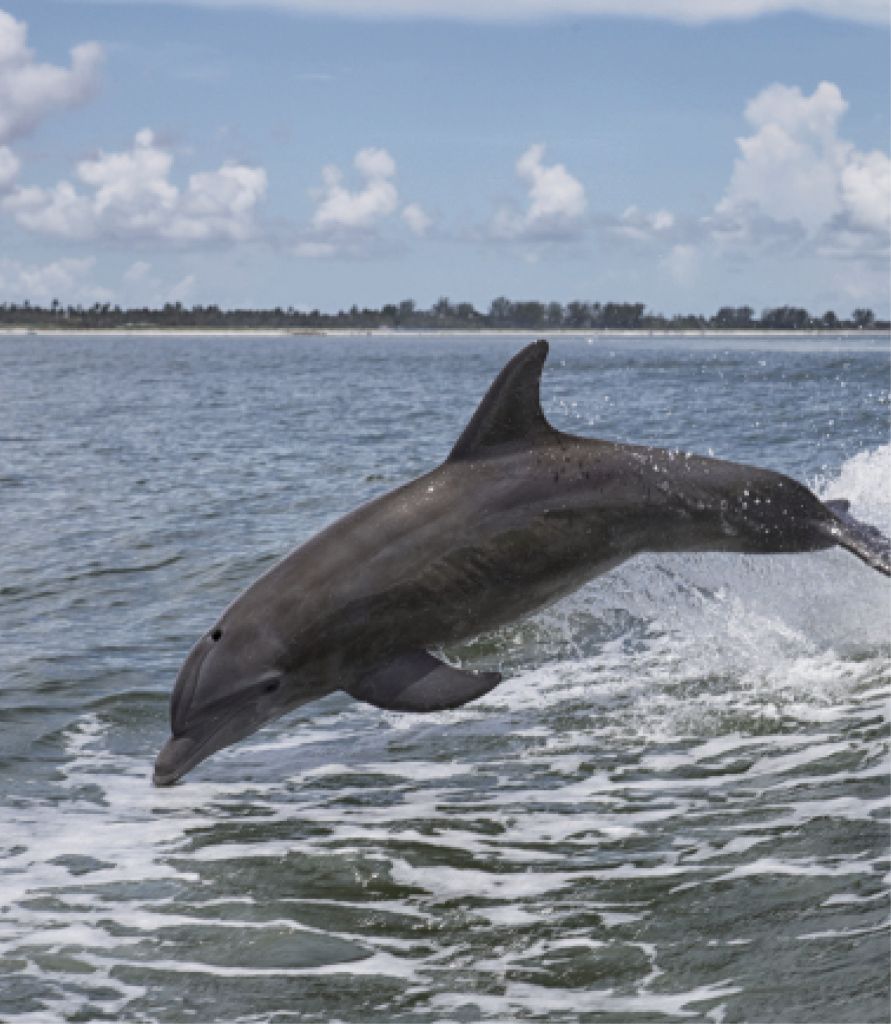
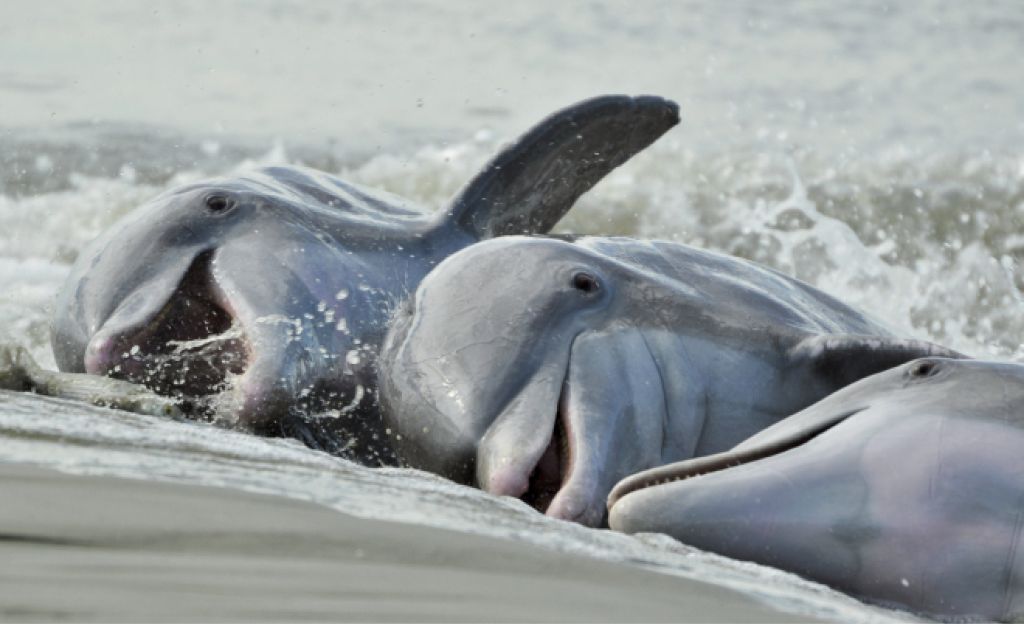
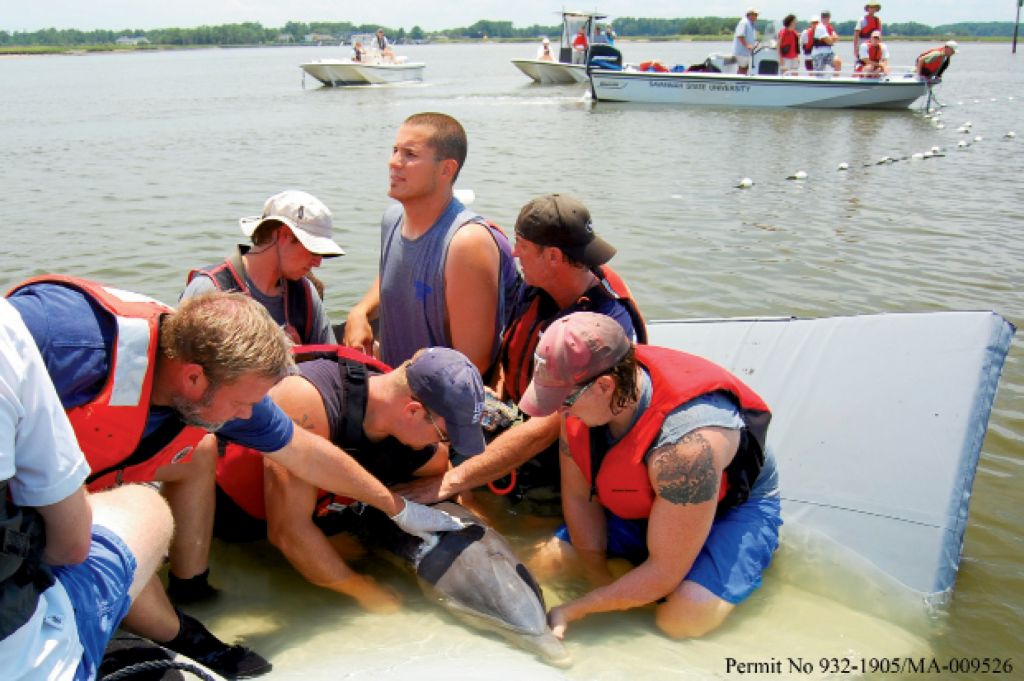
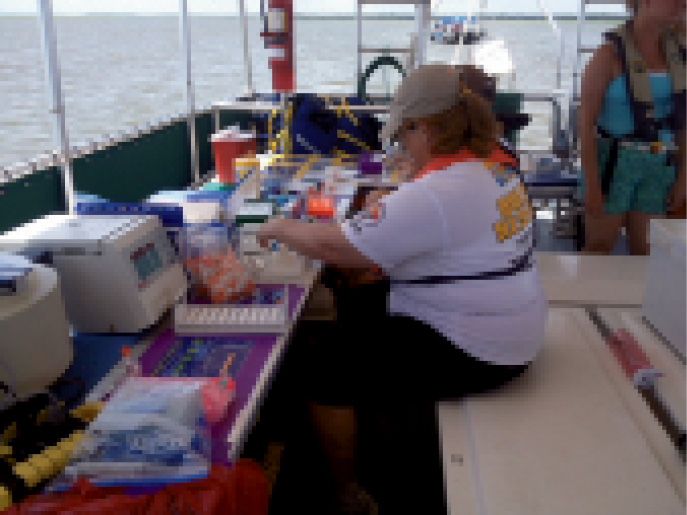
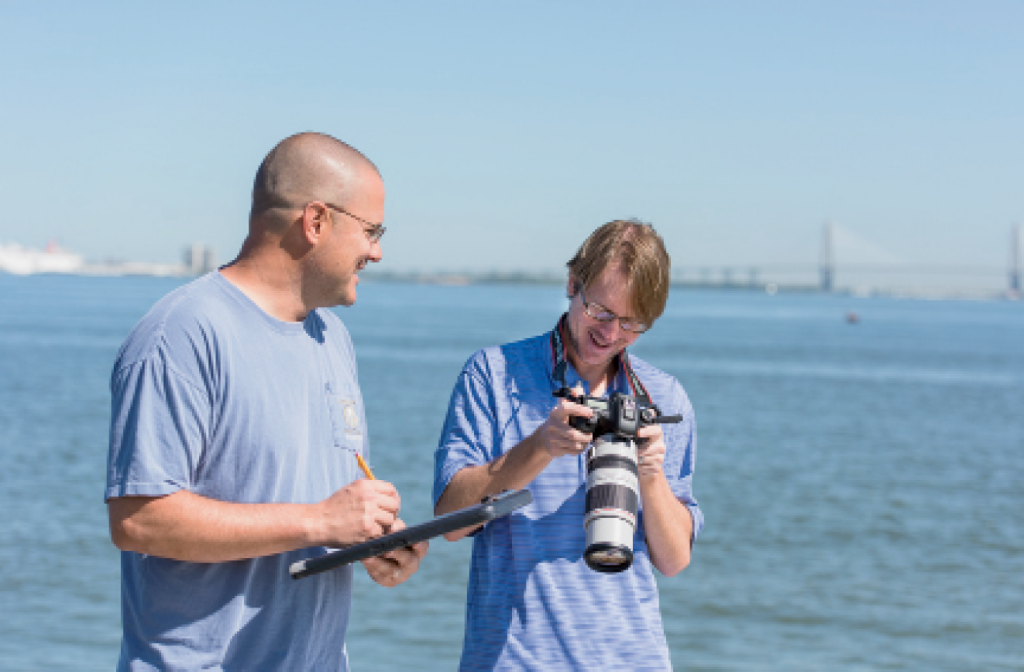
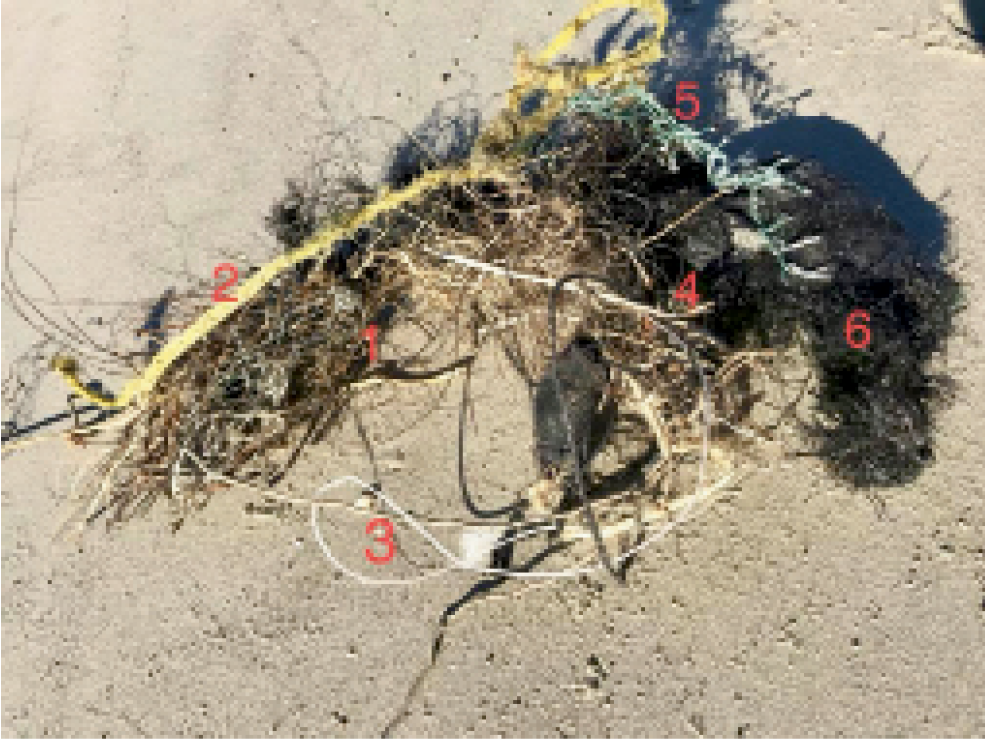
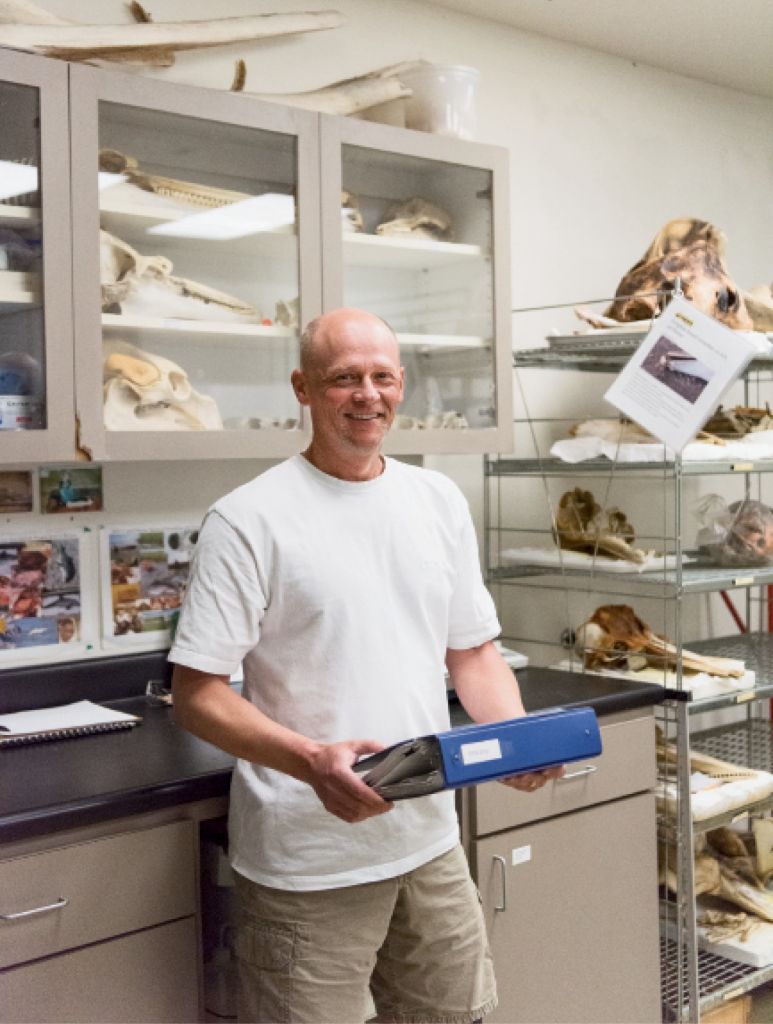
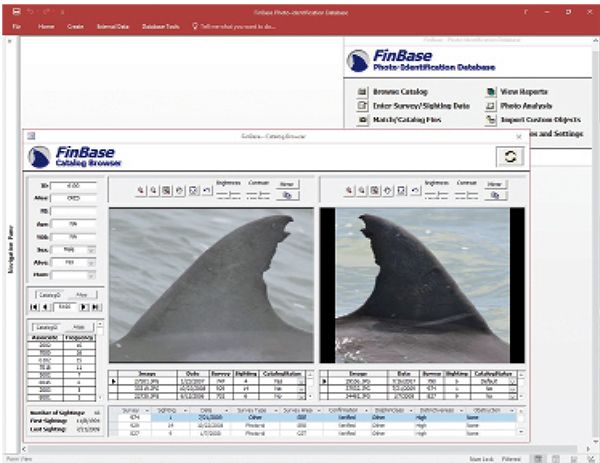
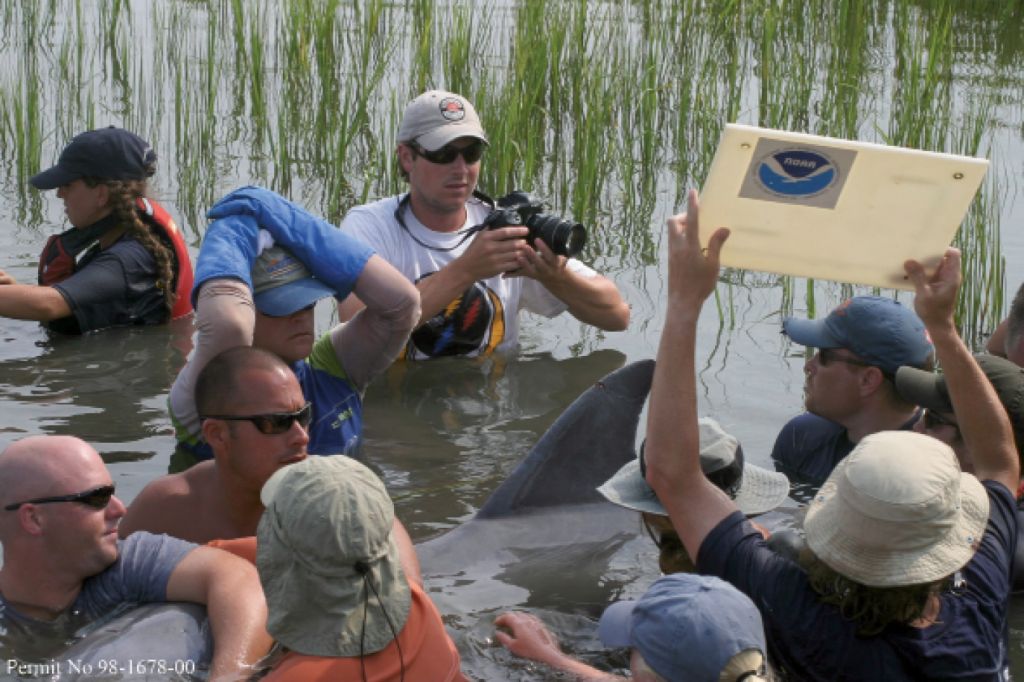
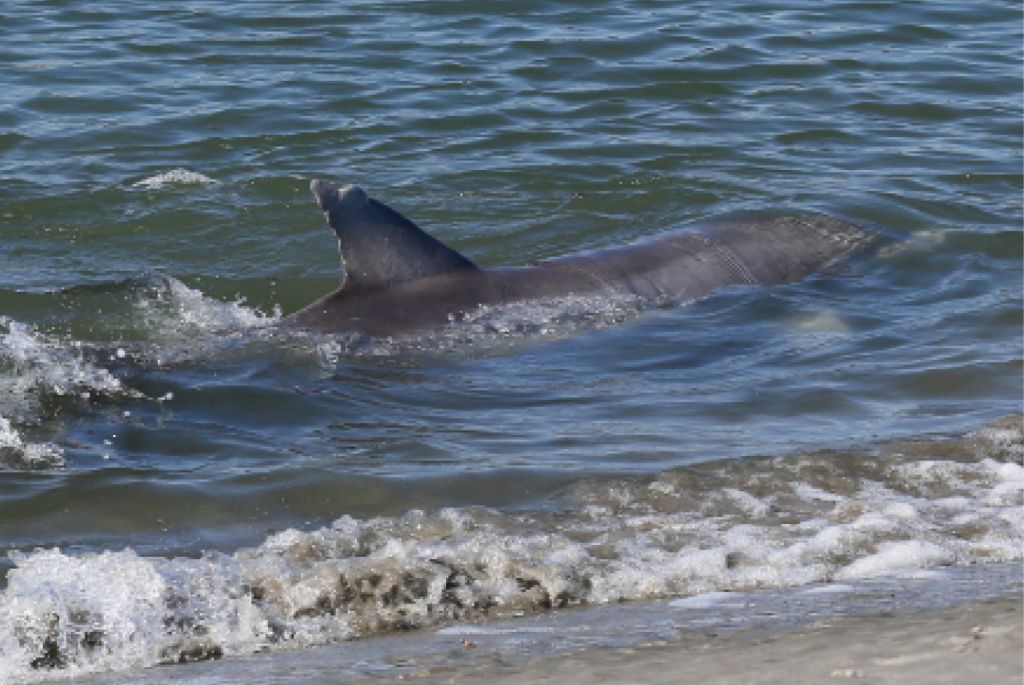
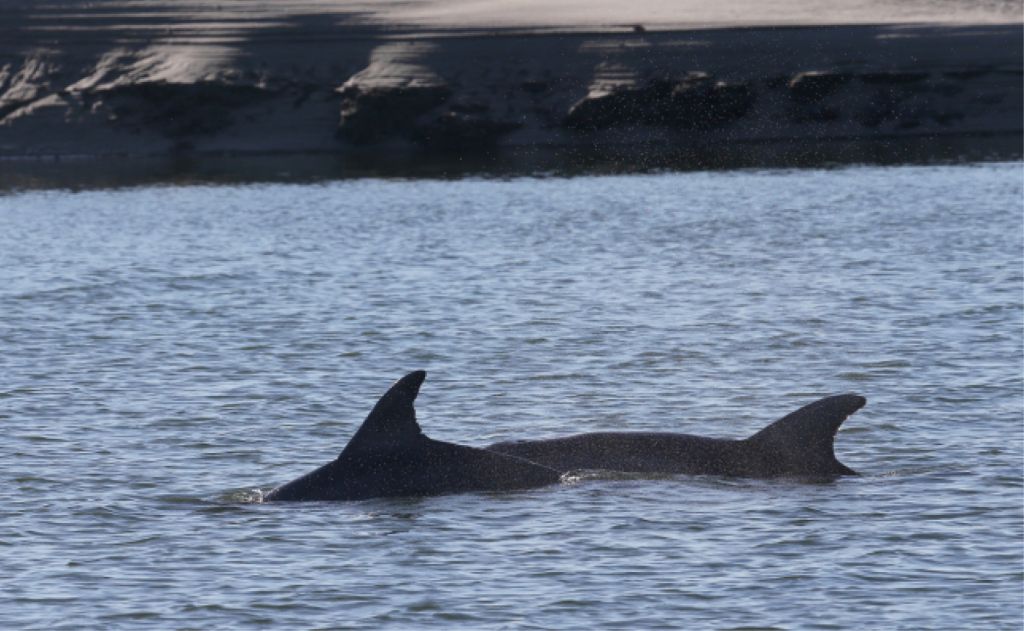
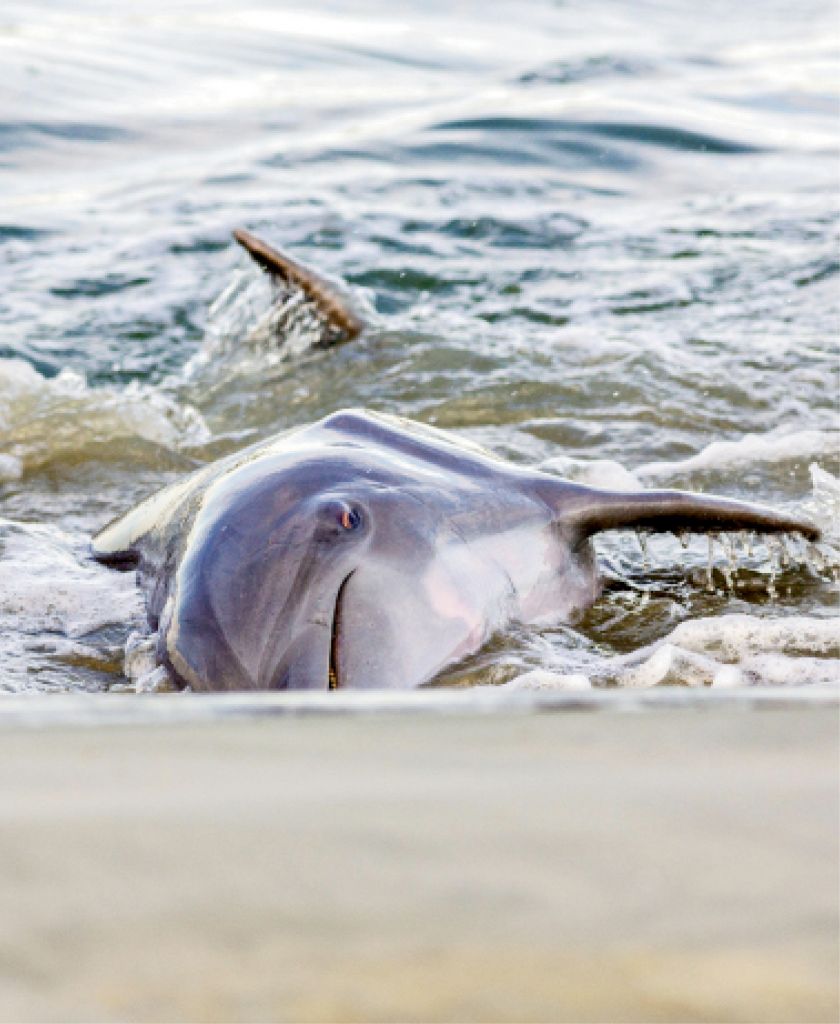
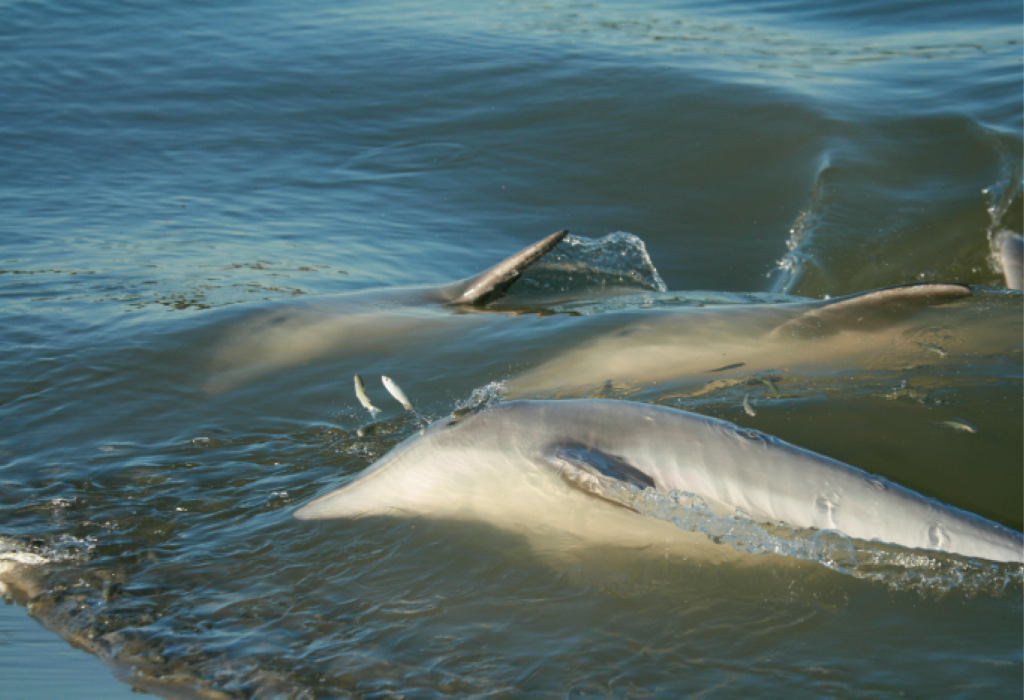
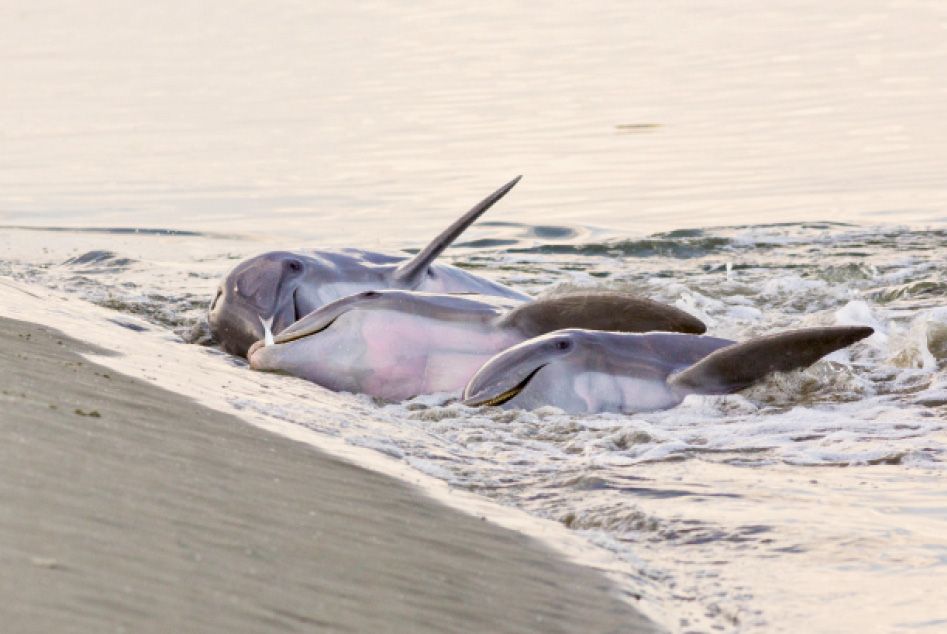
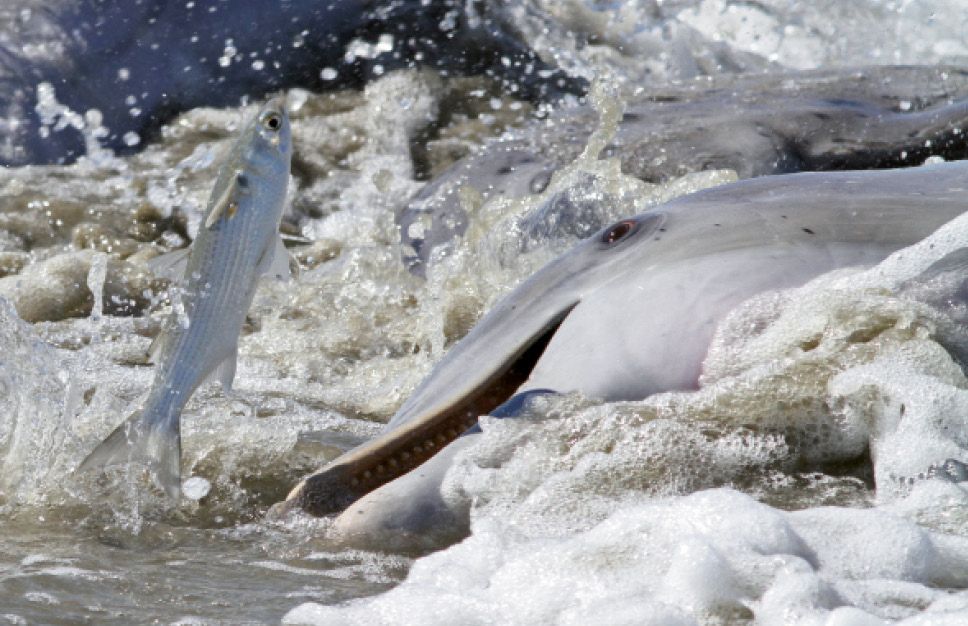
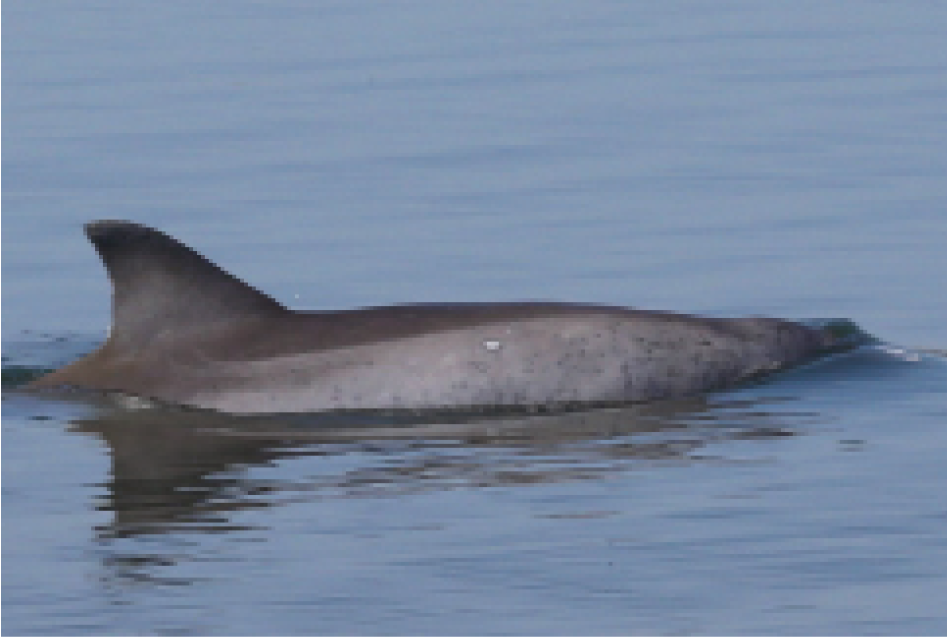
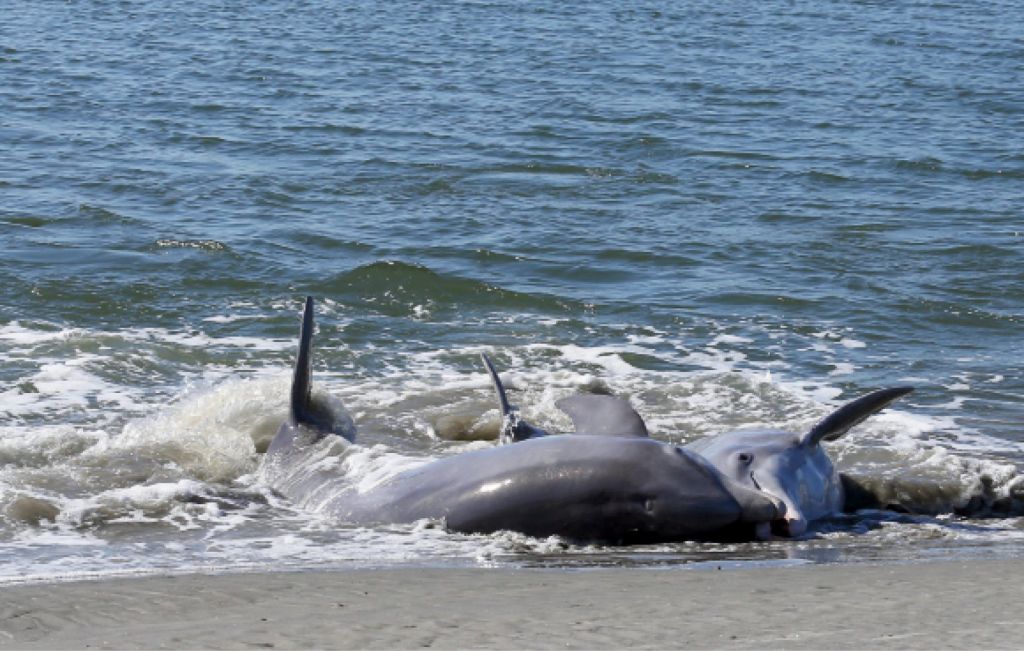
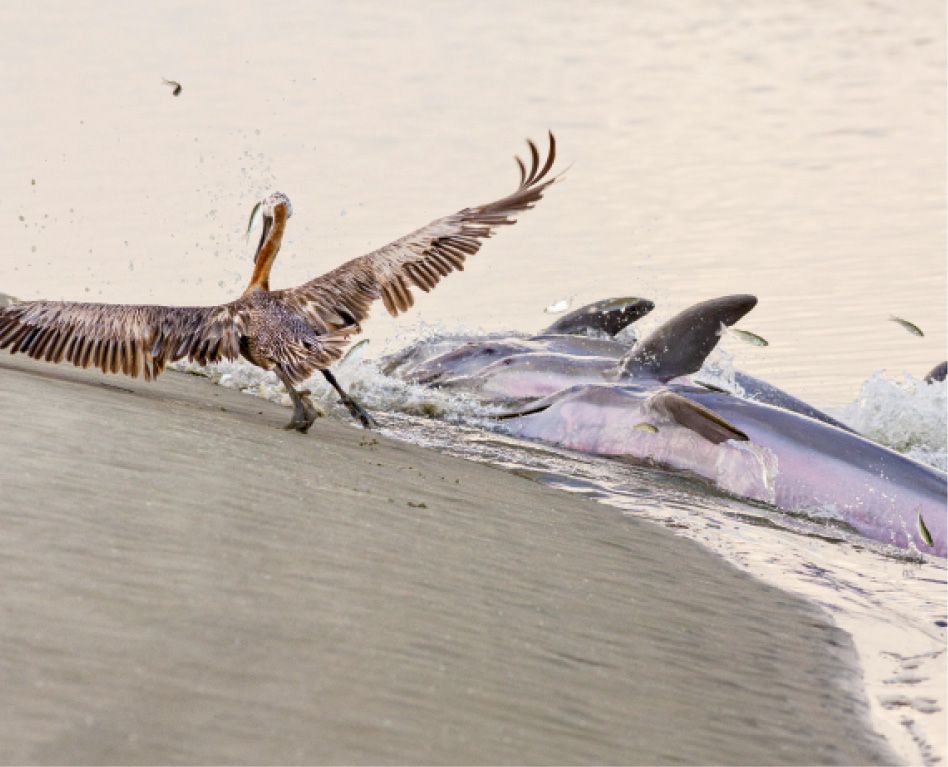
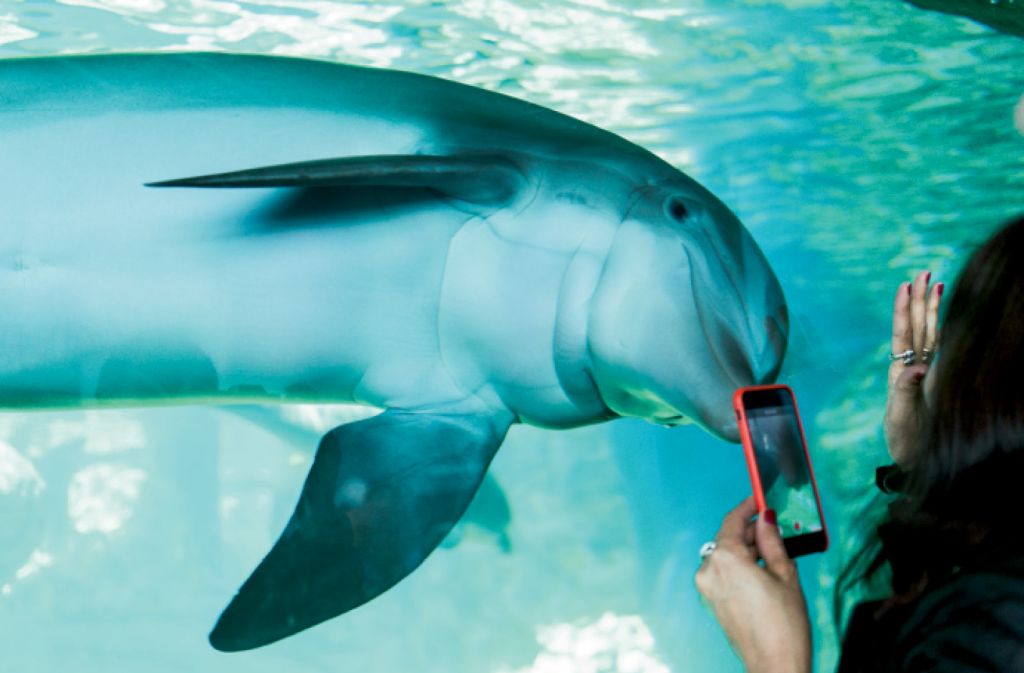
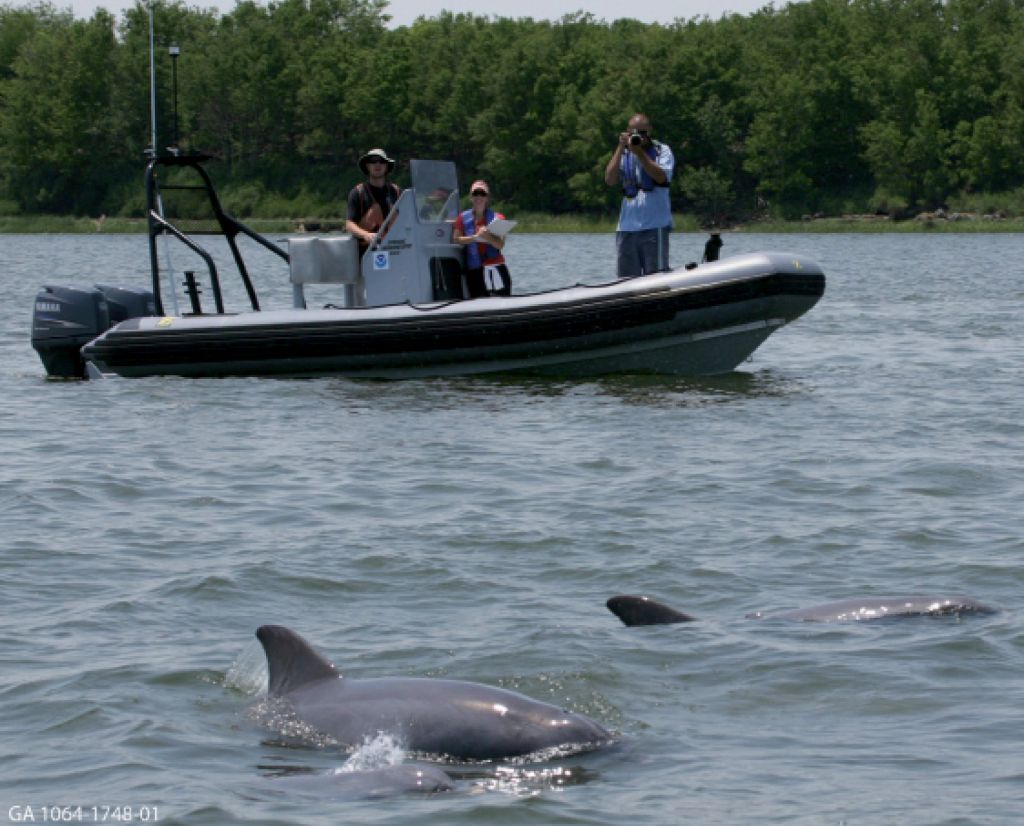
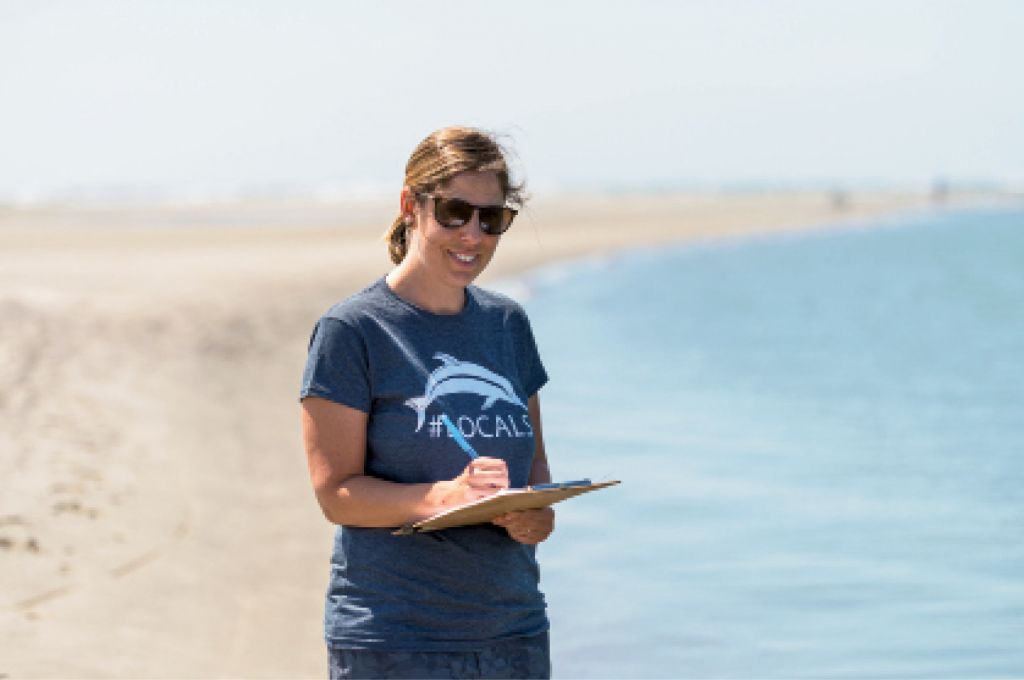
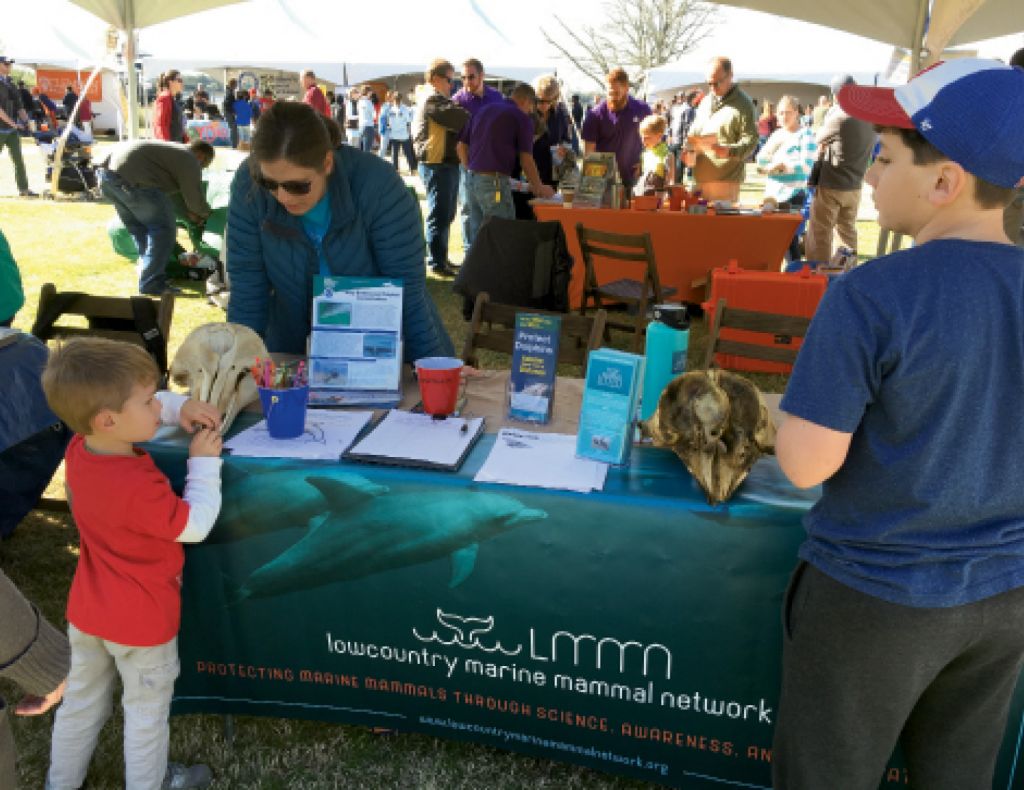
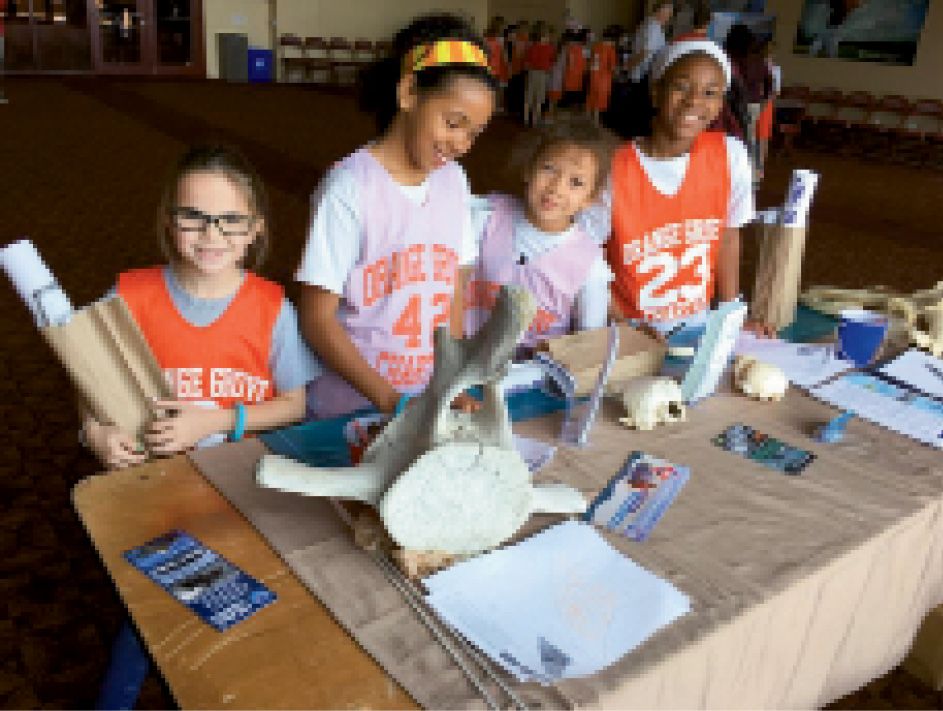
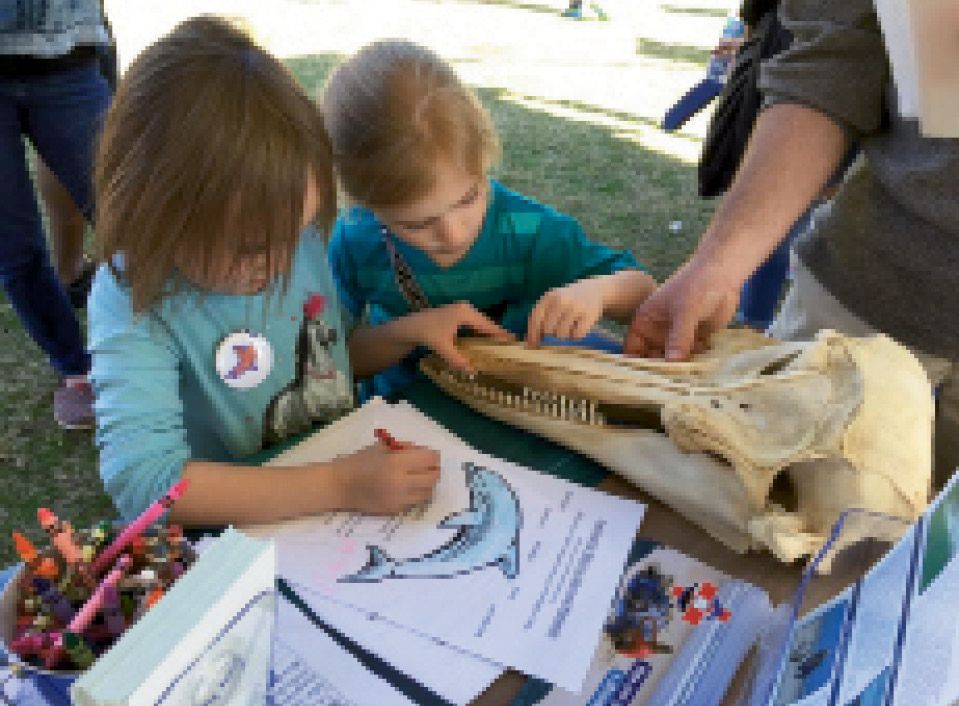
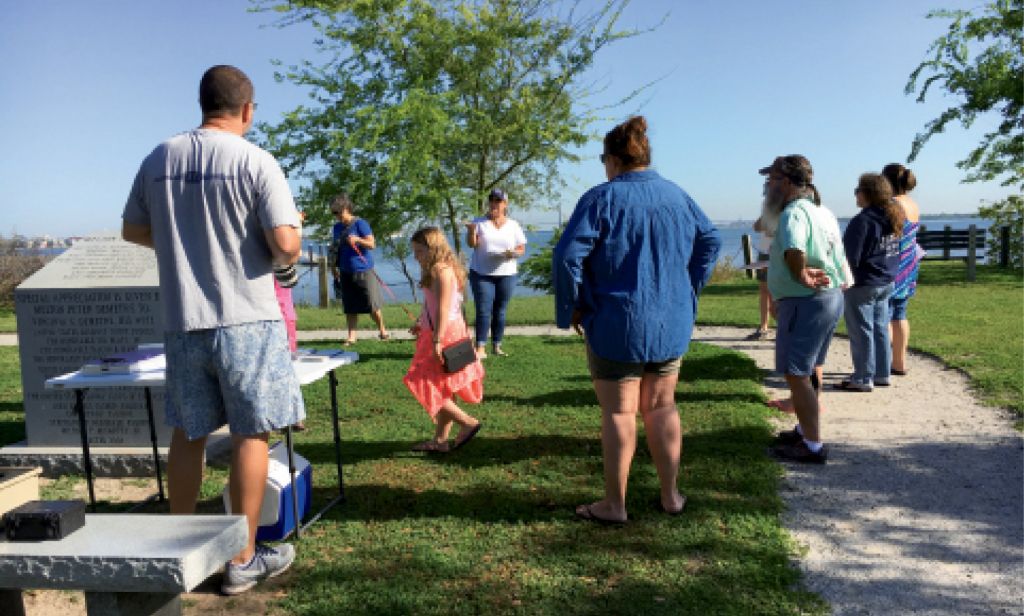
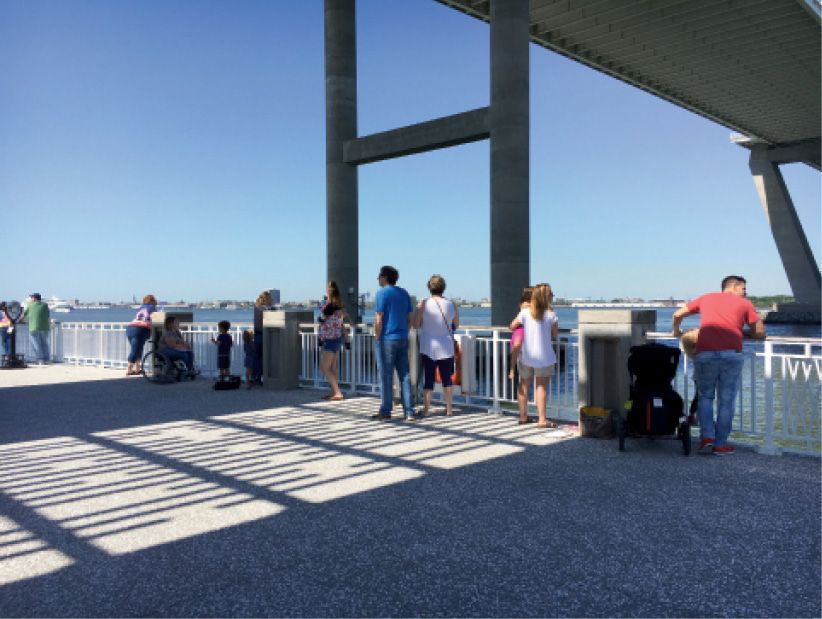
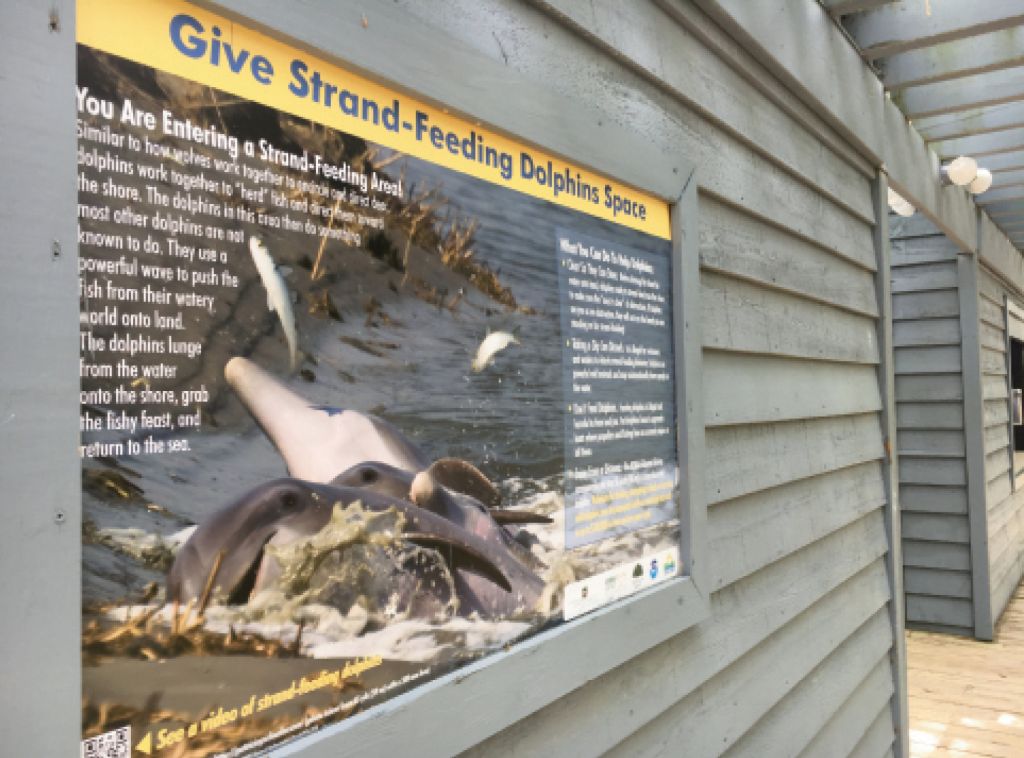
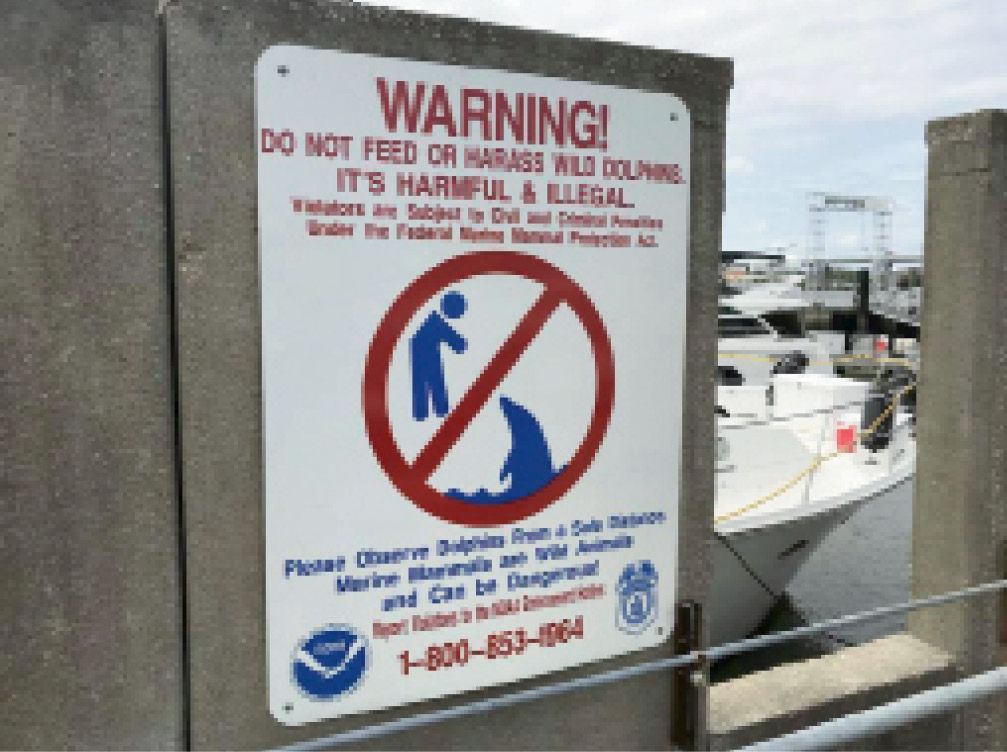
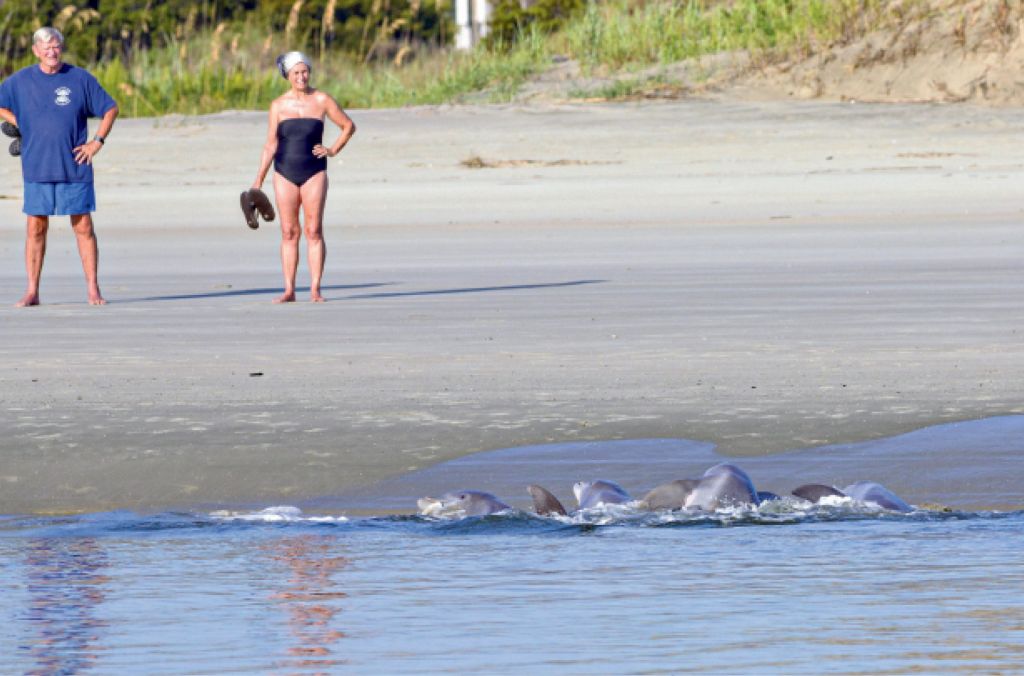
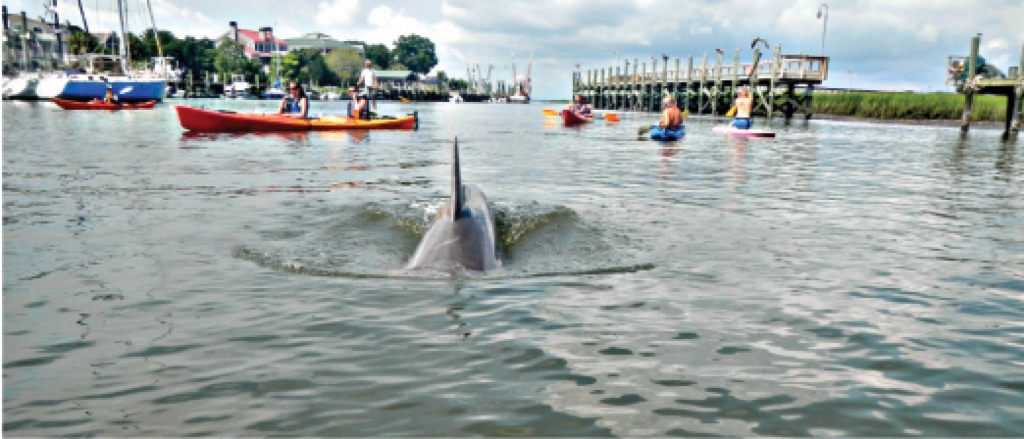
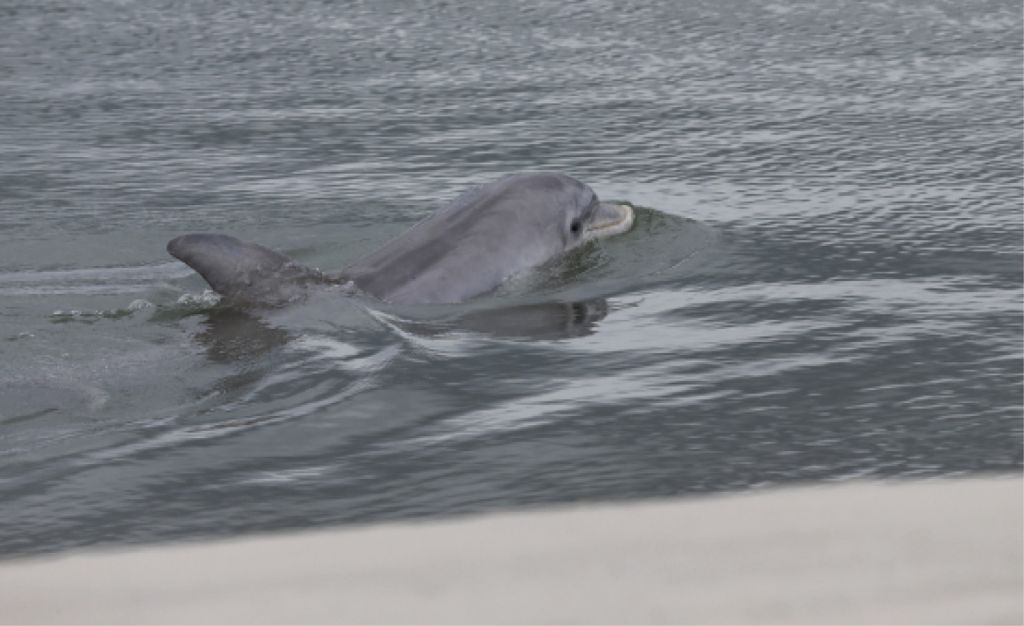
Glistening and graceful, with their piercing eyes and perpetual coy grin, they appear so friendly, so knowing. With a powerful kick of their mermaid tail, they maneuver between worlds—the deep blue beneath the surface, then above it too, arcing into our realm, breathing our same air.Alfresco Dining: Some of Charleston’s Atlantic bottlenose dolphins are known for a unique, learned behavior called “strand feeding,” which entails herding fish onto a bank, then momentarily “stranding” themselves on shore to catch their dinner.Dolphin R&R (Rescue & Research): National Ocean Service contractors, along with personnel from Harbor Branch Oceanographic, Georgia DNR, Bayside Hospital for Animals, Georgia Sea Turtle Center, UNC Wilmington, and Savannah State University, work to disentangle a sub-adult female bottlenose dolphin.Meet the LocalsA floating lab and dolphin researchers in Charleston Harbor for the 2013 HERA studyEric Zolman and Todd Speakman (with camera) work to photo-ID and monitor our dolphin population.Meet the LocalsNOAA colleague Wayne McFee responds to marine mammal strandings, many caused by fishing/crab line entanglement, a growing concern and hazard.FinBase databaseHERA capture-release teamMeet the LocalsMeet the Locals“Strand feeding is a unique learned behavior, and Charleston is one of the few places in the world where dolphins are known to do it.”  —Lauren Rust, Lowcountry Marine Mammal NetworkMeet the LocalsMeet the LocalsMeet the LocalsMeet the LocalsMeet the LocalsMeet the LocalsCaptivating & Captive: The Marine Mammal Protection Act prohibits the “take” of wild marine mammals, including dolphins, without a permit. Some animals born in captivity remain in controlled environments, such as at Marineland, a former amusement park in Florida that’s now part of the Georgia Aquarium dolphin conservation program.Keeping Distance: A group of National Ocean Service contractors zoom in from a respectful distance to photograph dolphins in the Cooper River.Dolphin Dame: When marine biologist Lauren Rust returned to Charleston after working in marine mammal protection on the West Coast, NOAA funding was drying up, so she founded the nonprofit Lowcountry Marine Mammal Network in 2017 to extend outreach and protection efforts.Lowcountry Marine Mammal Network (LMMN) volunteers coordinate beach patrols and various outreach programs to educate the public about dolphin protection.Meet the LocalsMeet the LocalsMeet the LocalsMeet the LocalsMeet the LocalsMeet the LocalsMeet the LocalsMeet the LocalsResponsible outfitters like Coastal Expeditions understand the allure of dolphins but teach their clients to respect and thereby help protect the wild animals.Meet the Locals

Read the story

Meet the Locals
Open the feature

More galleries