AdvertisementHomeTrust Bank: Empowering businesses and communities since 1926. Business, Commercial, Personal, Mortgage. htb.com (opens in a new tab)

Photo galleries

Déjà Food

Photos 77Issue FEBRUARY 2019
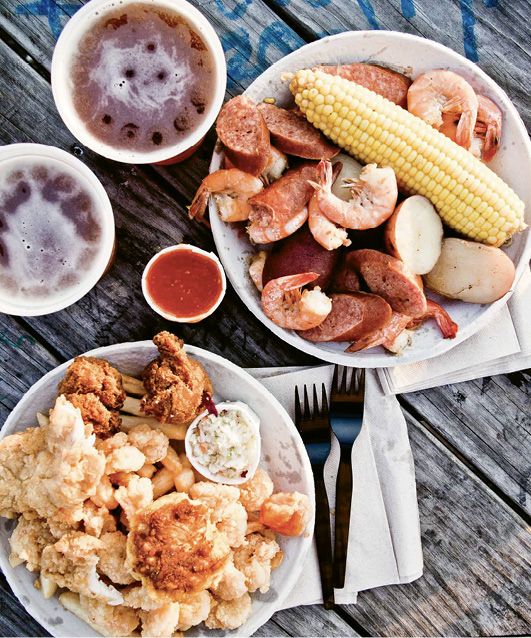
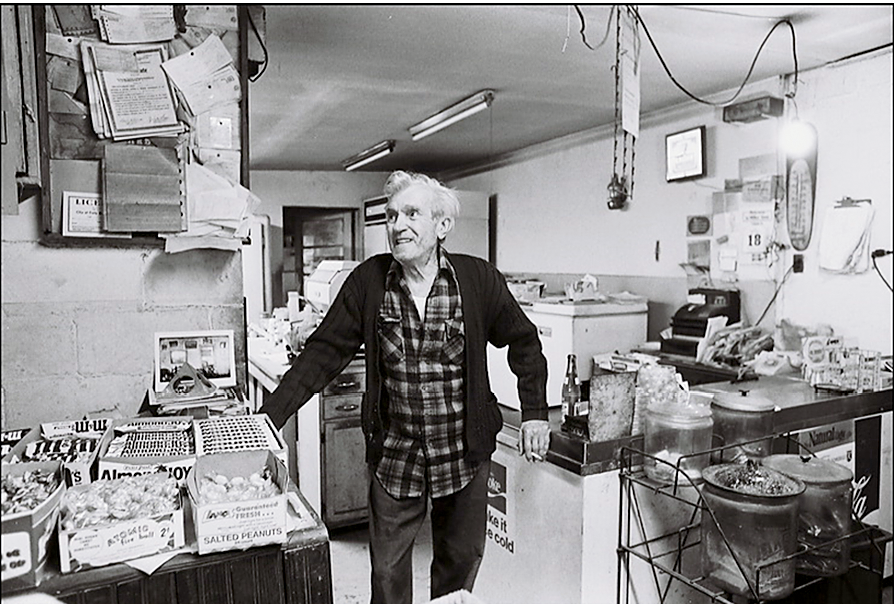
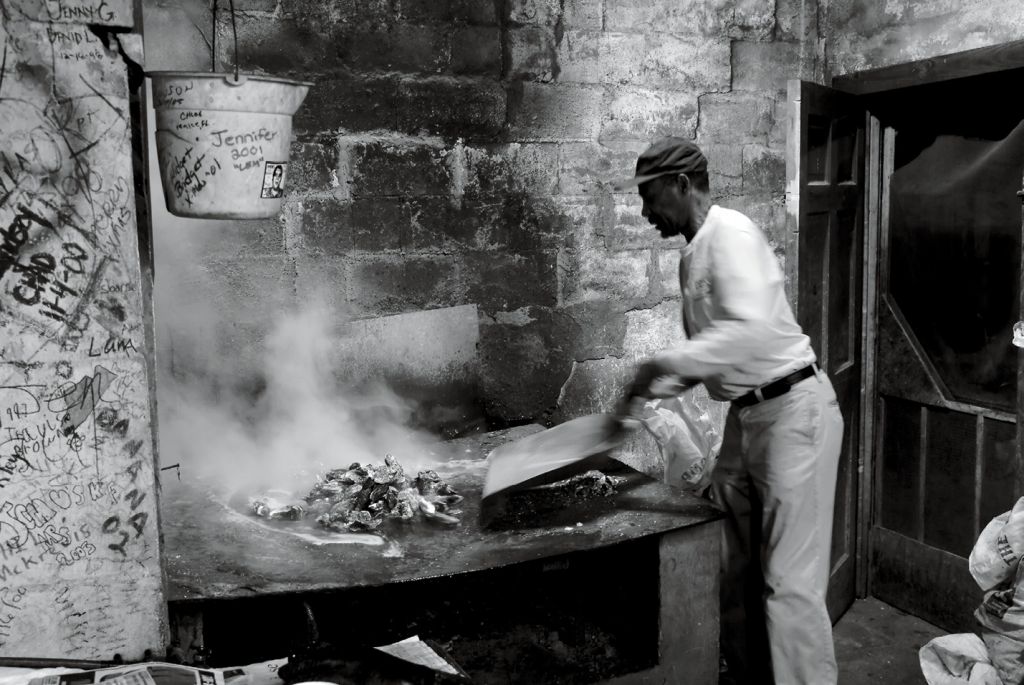
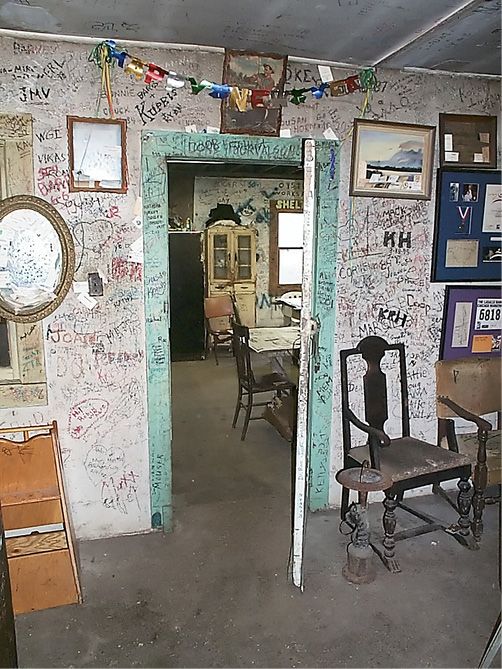
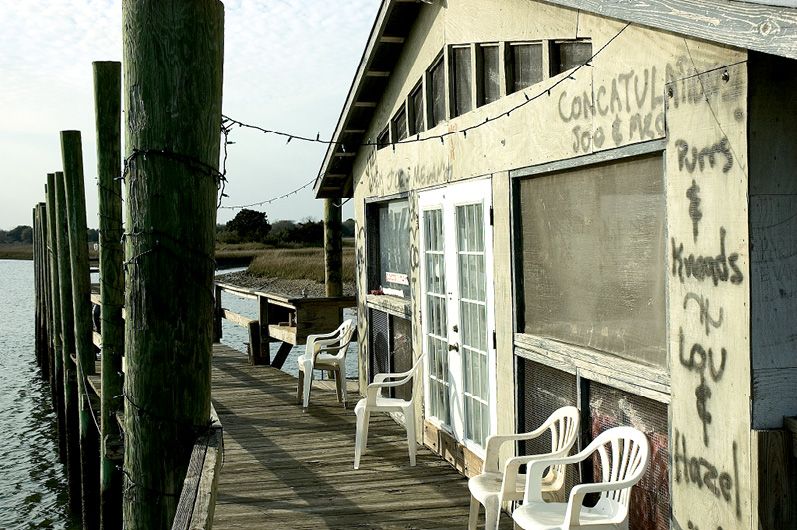
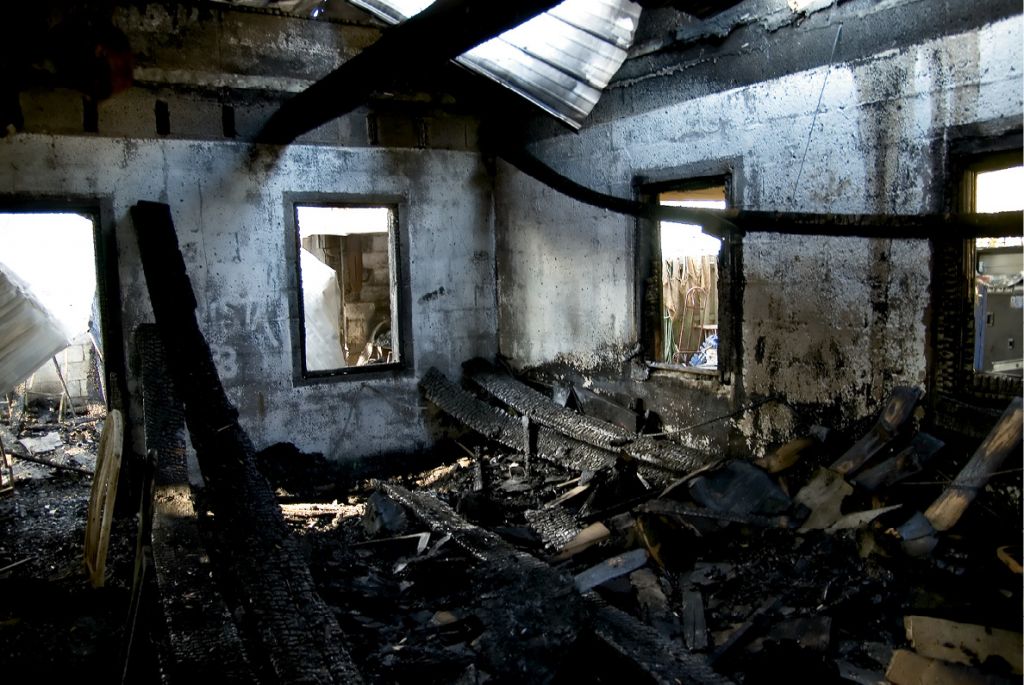
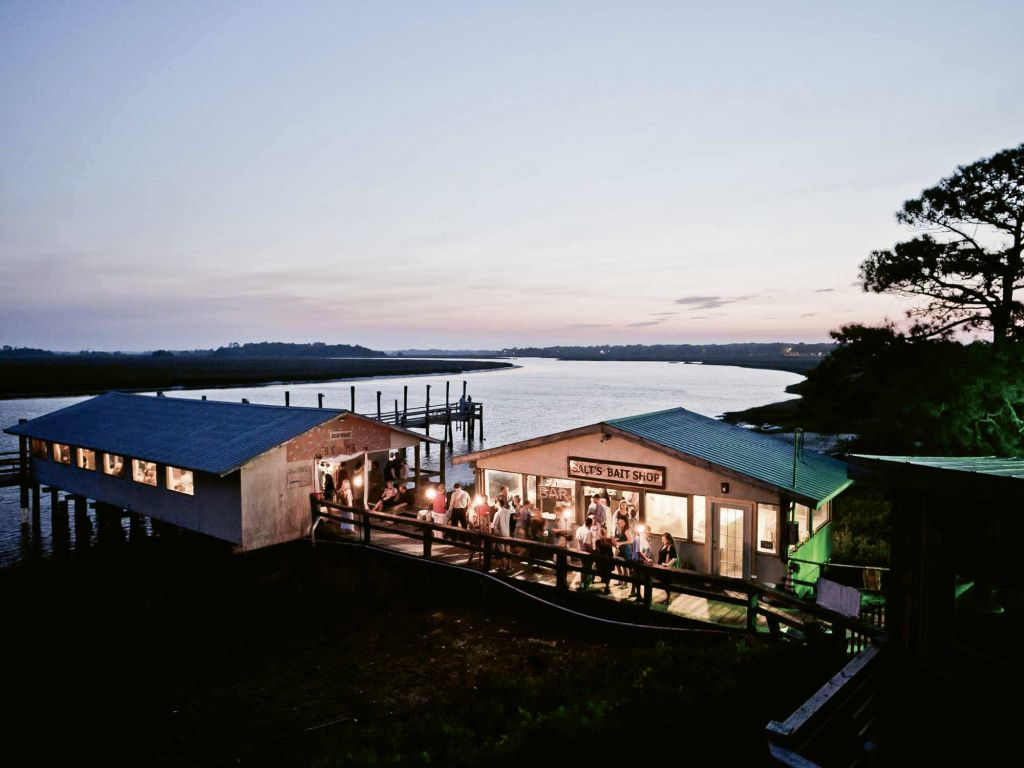
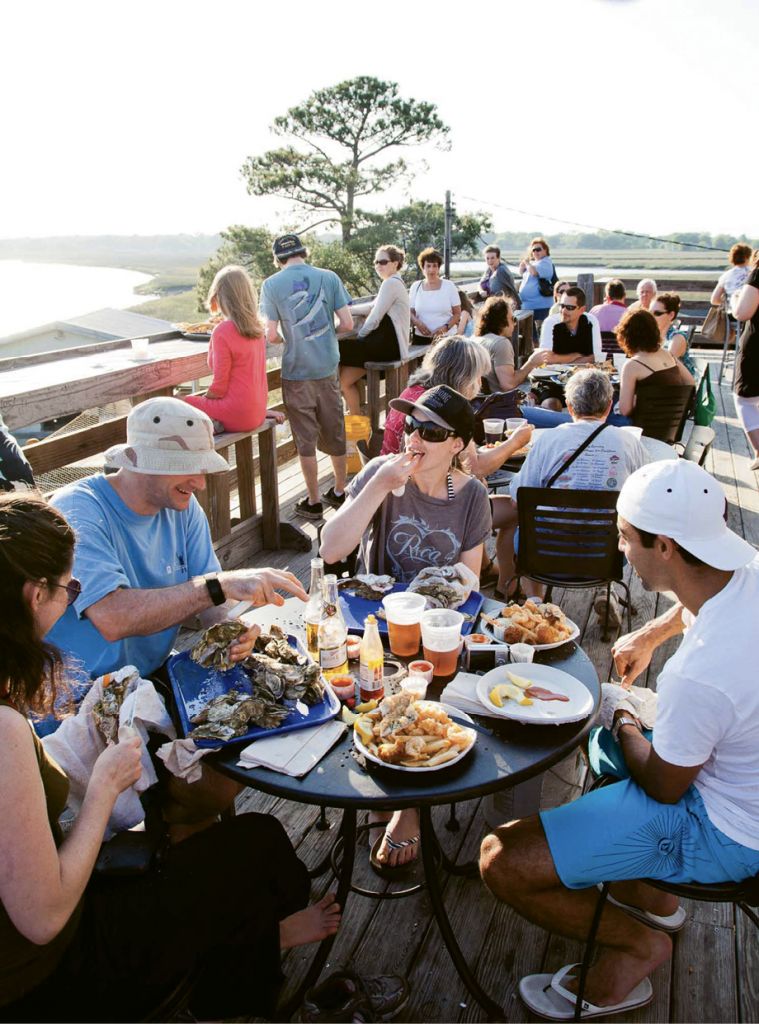
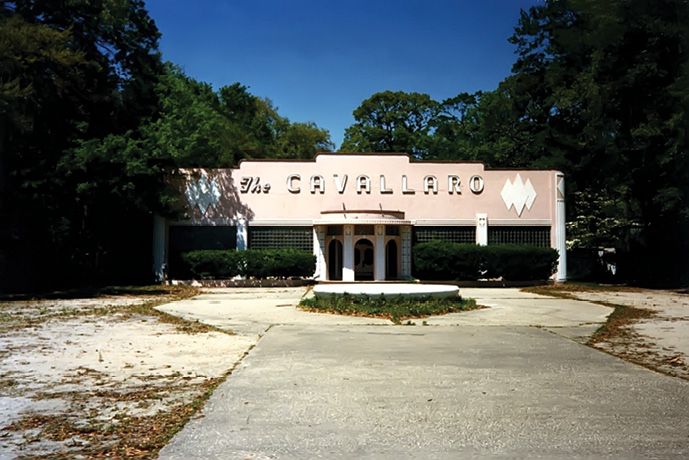
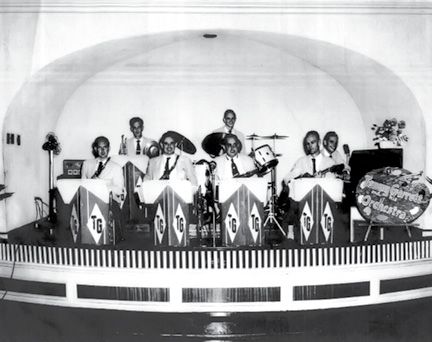
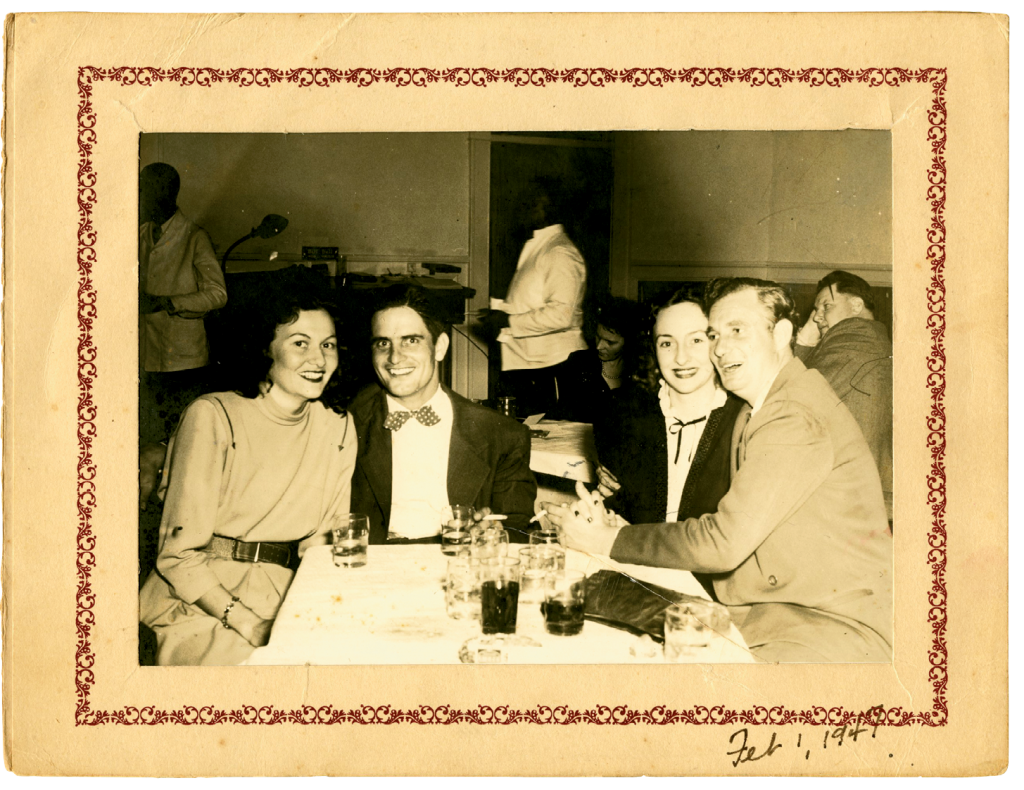
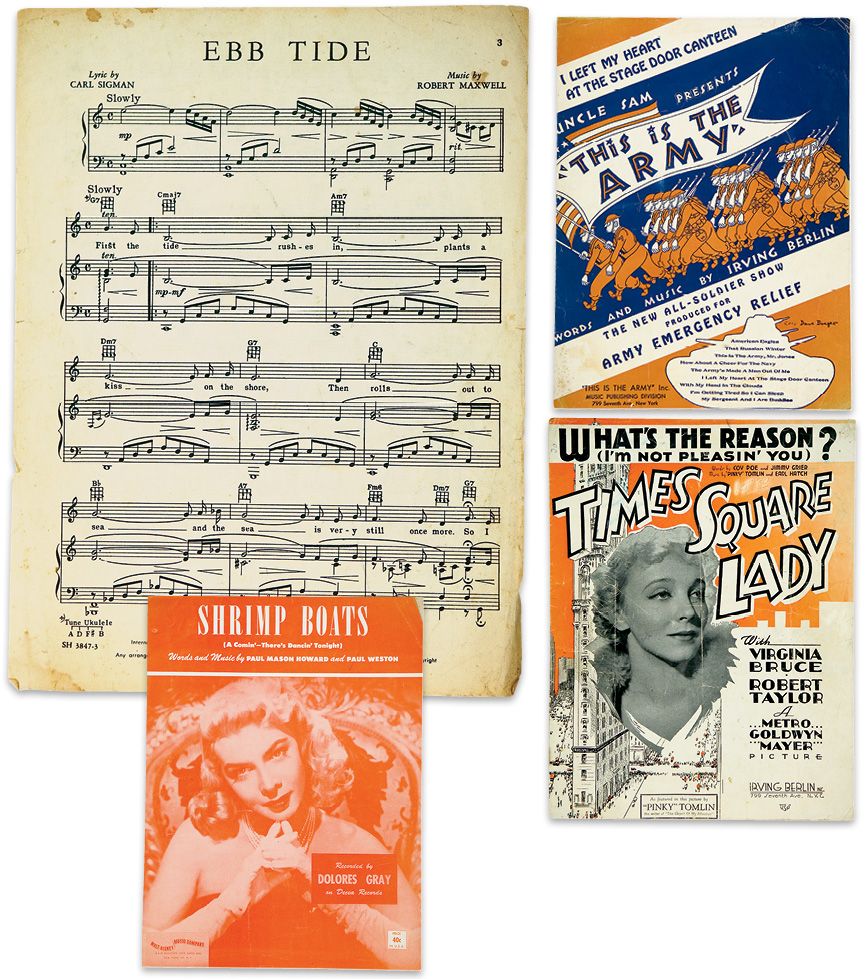
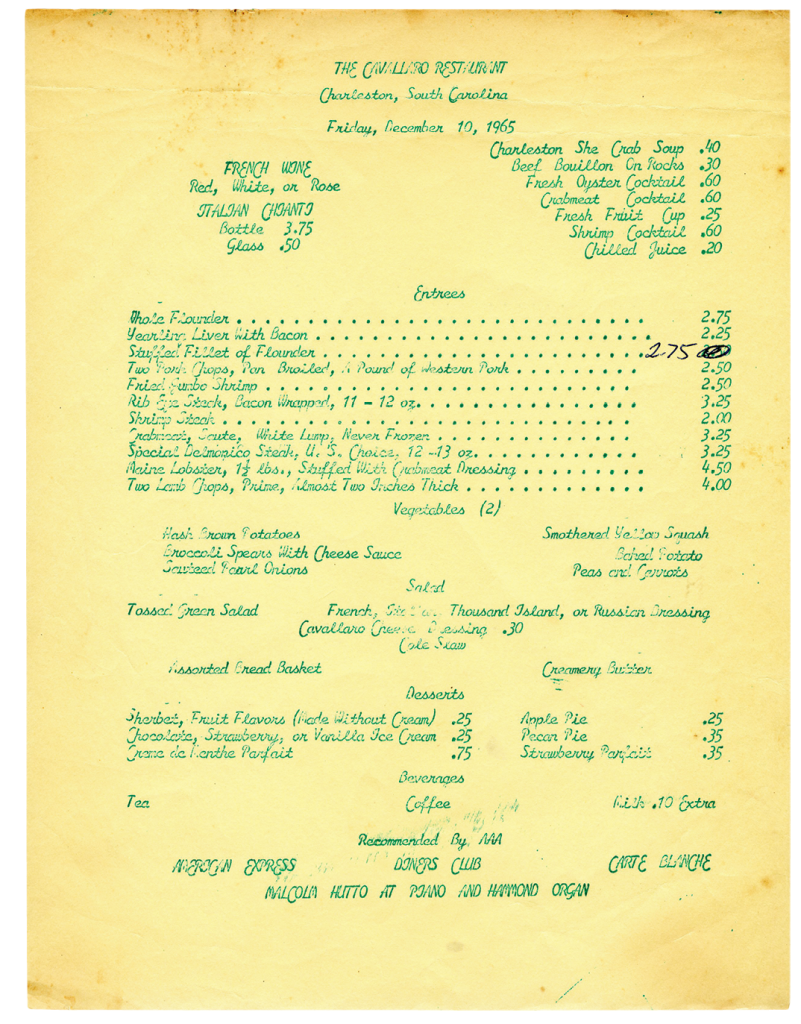
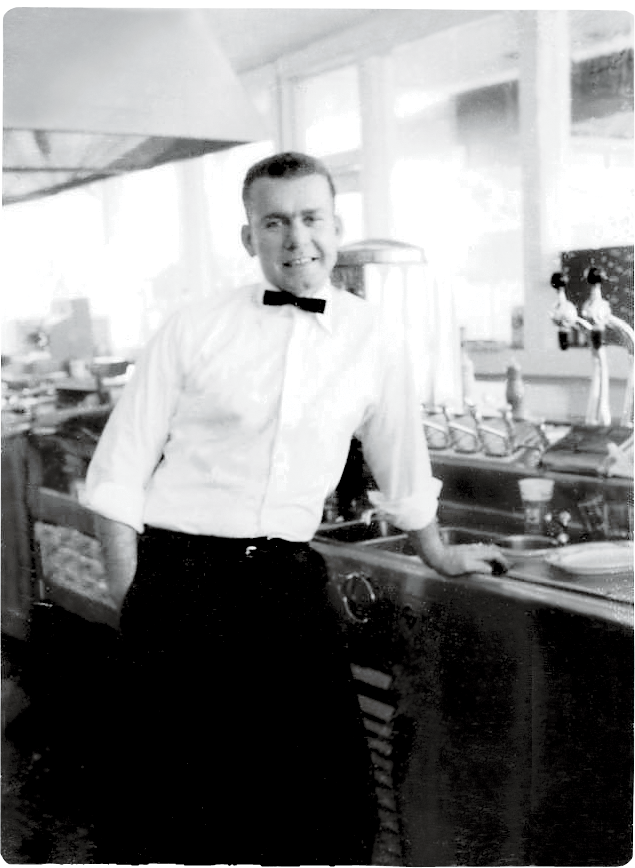
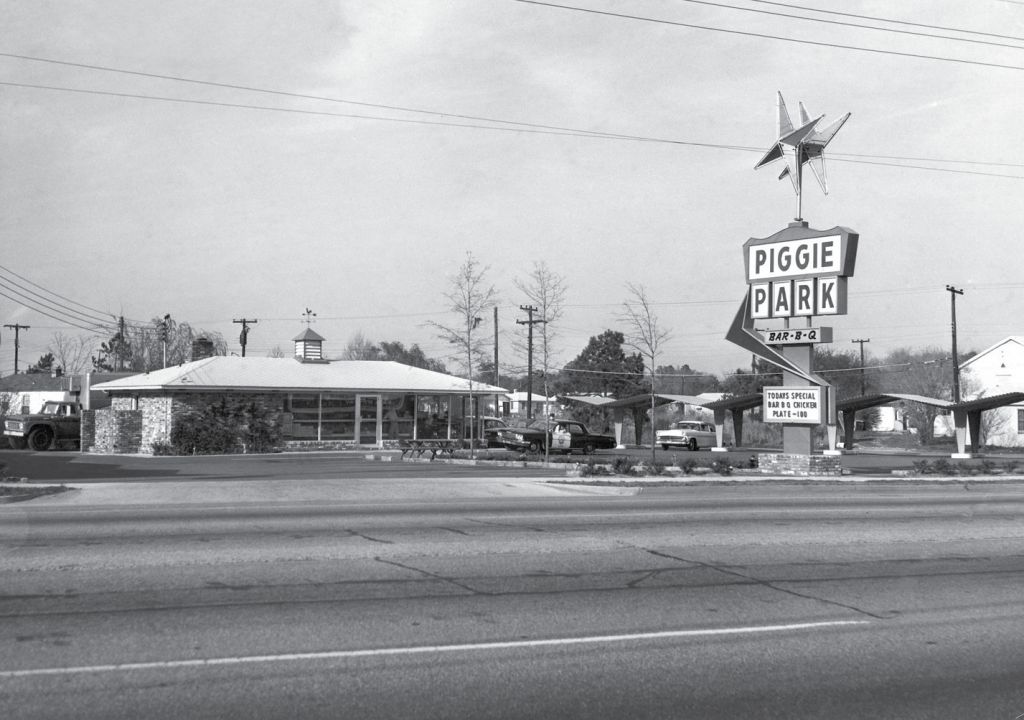
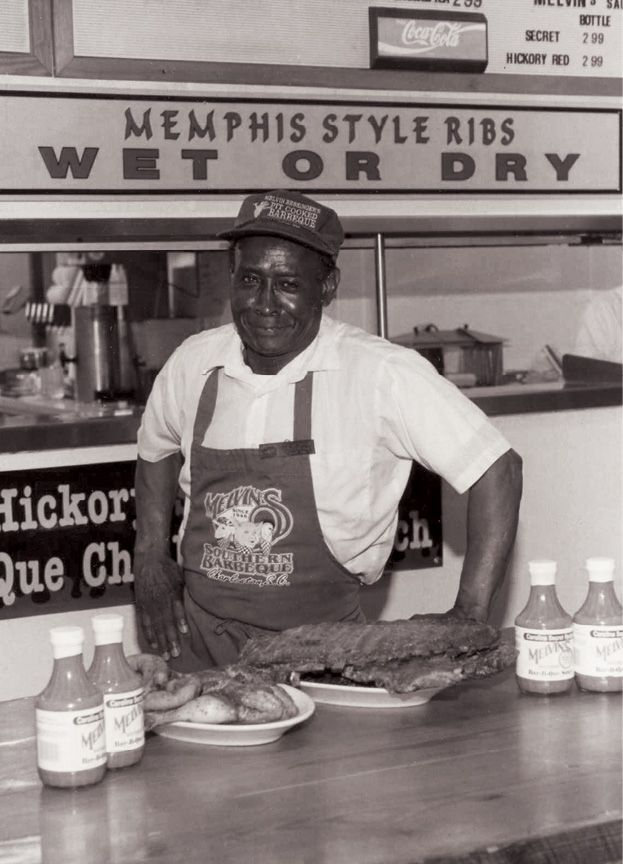
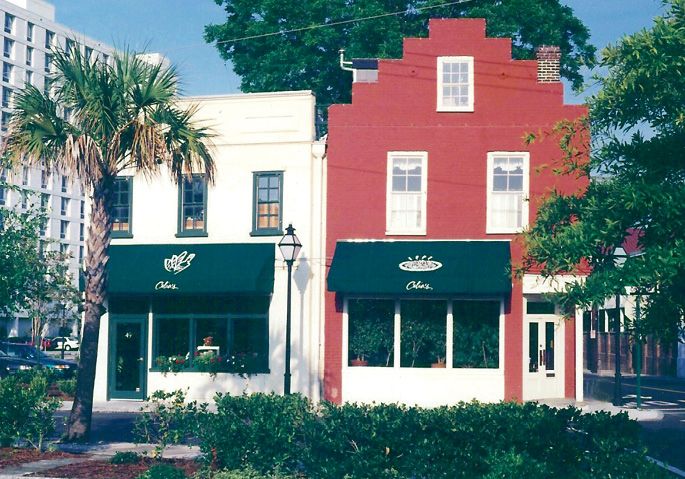
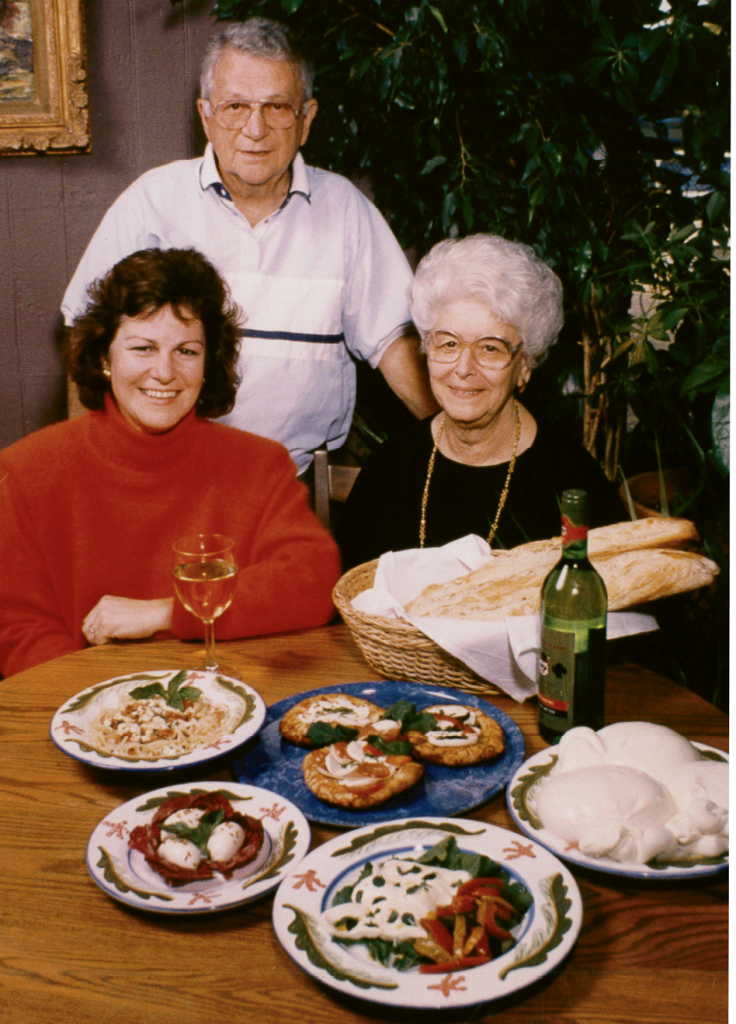
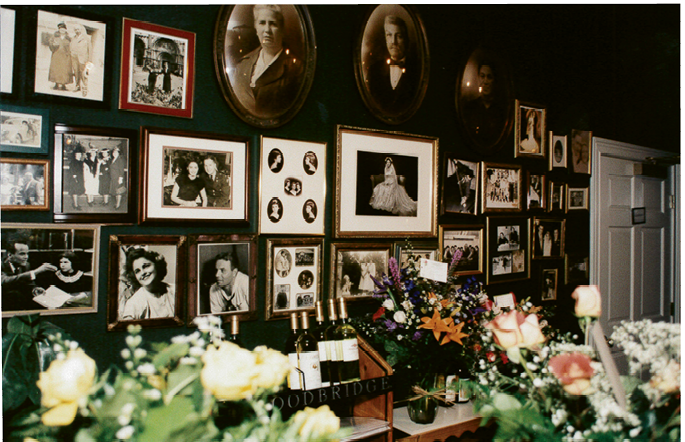
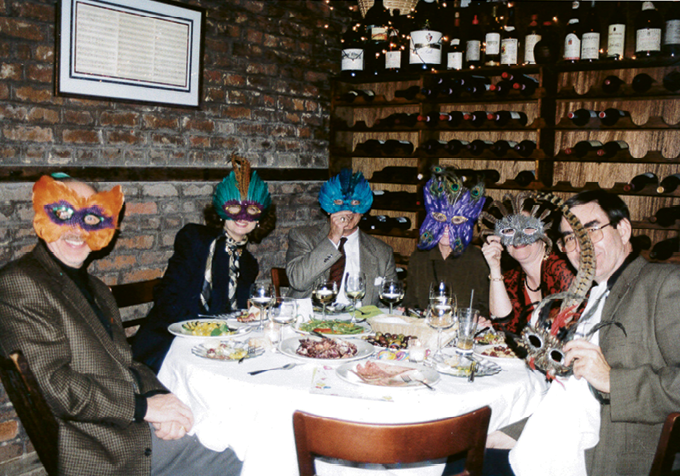
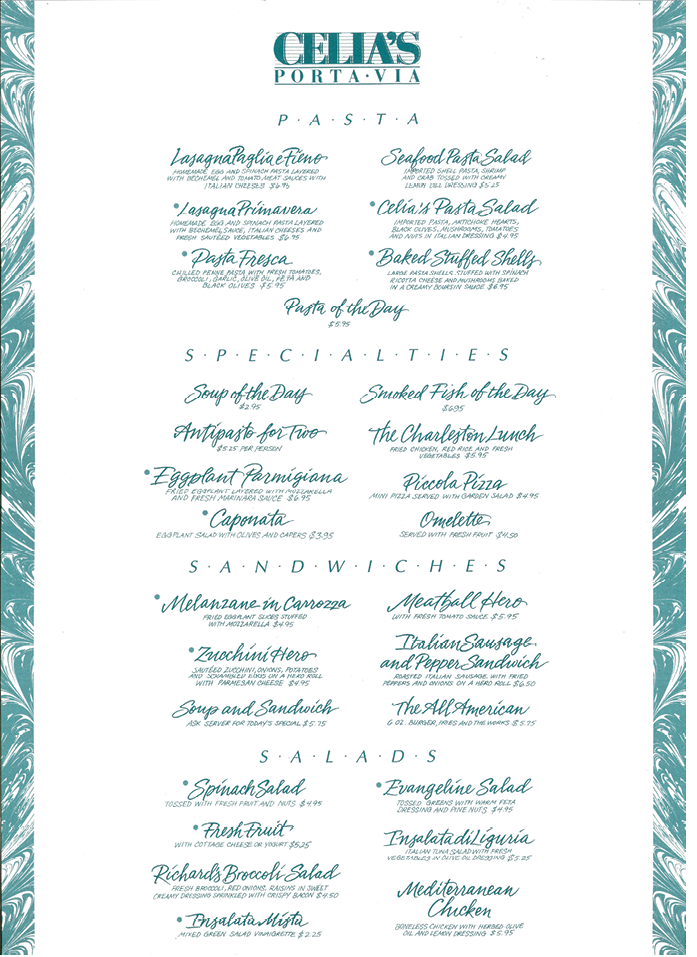
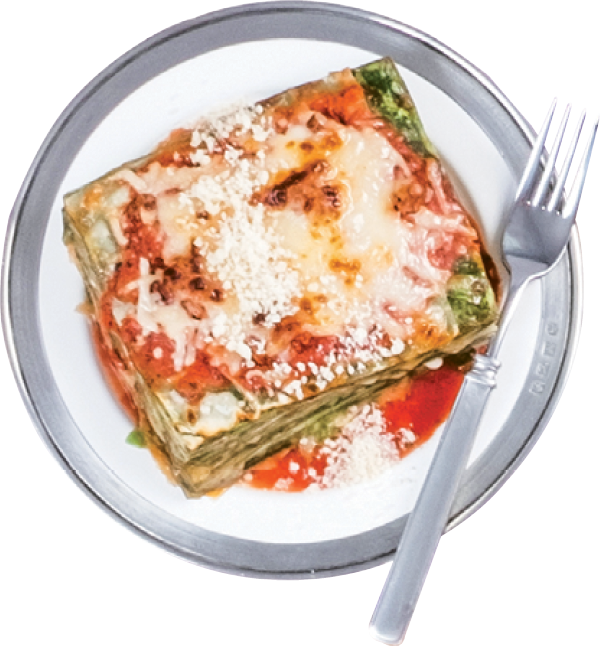
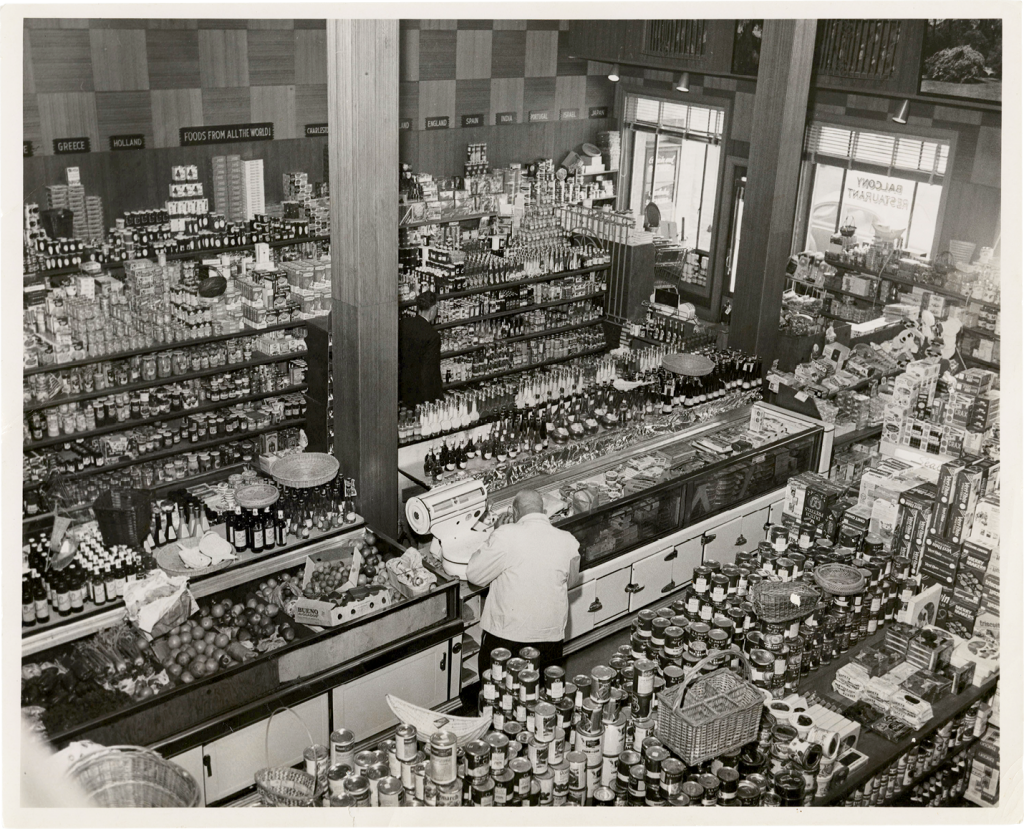
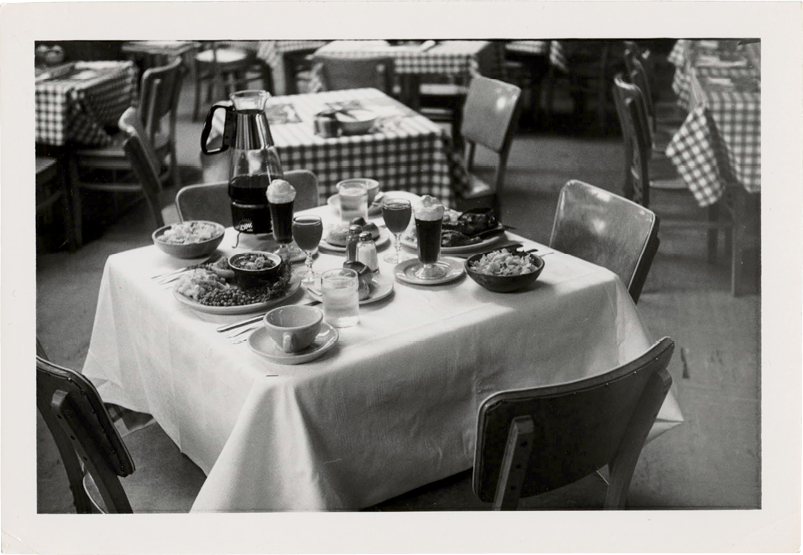
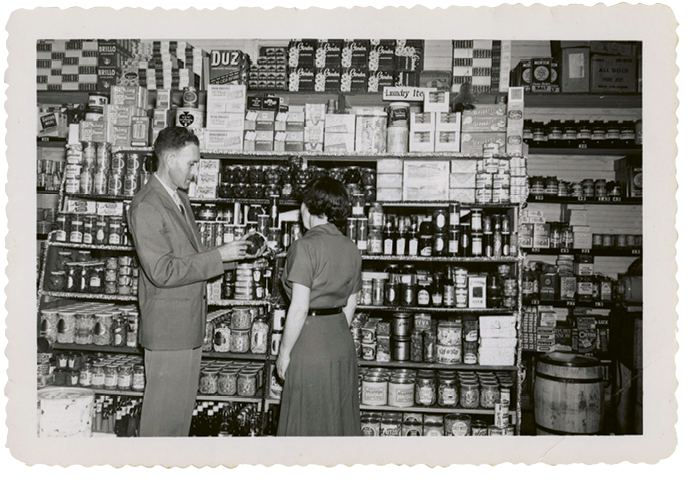
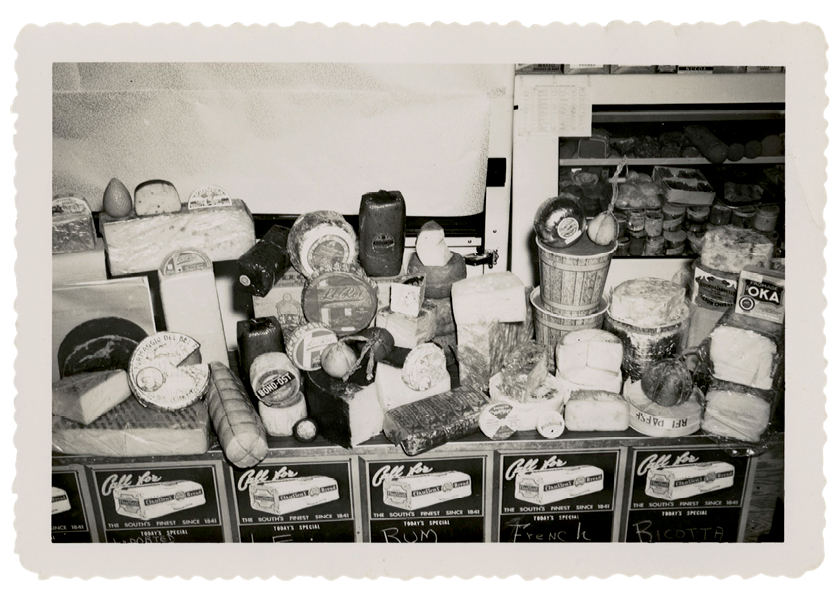
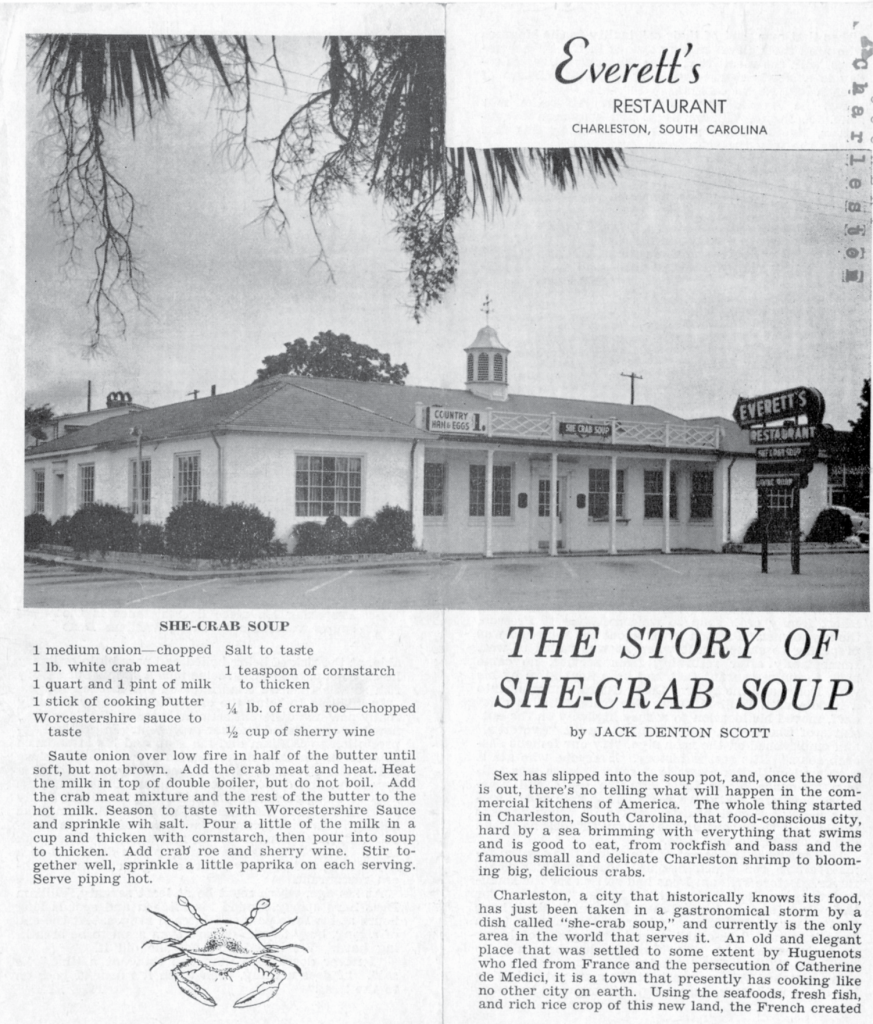
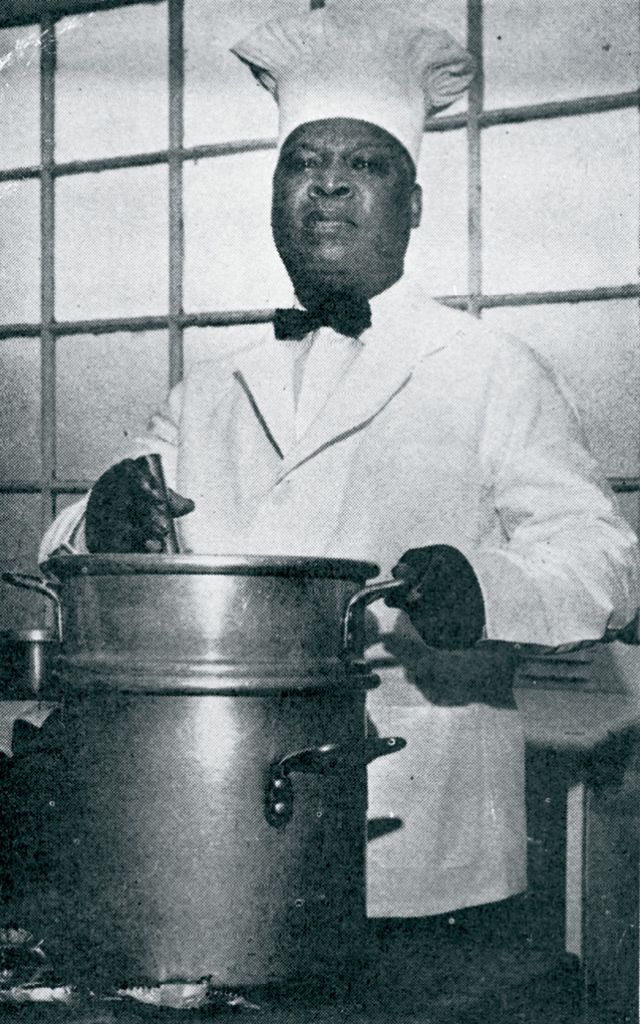
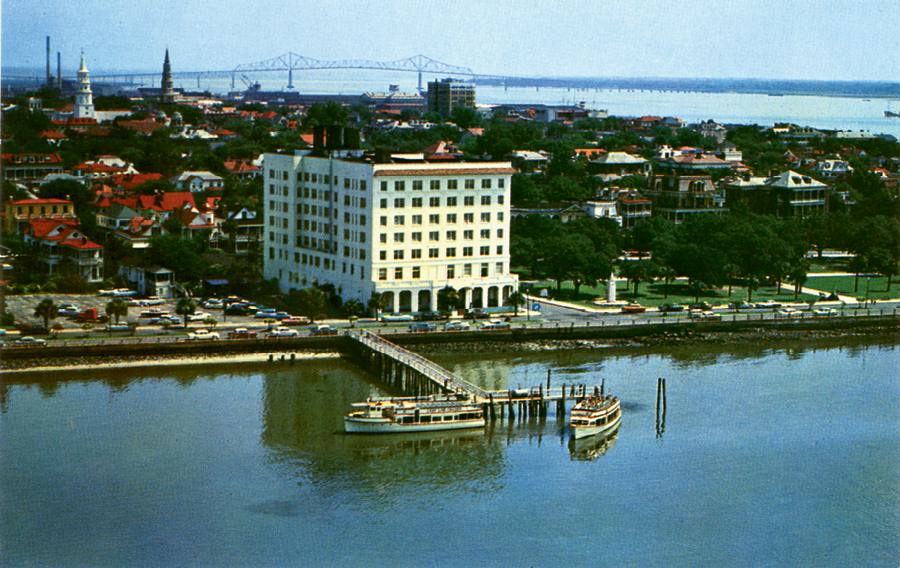
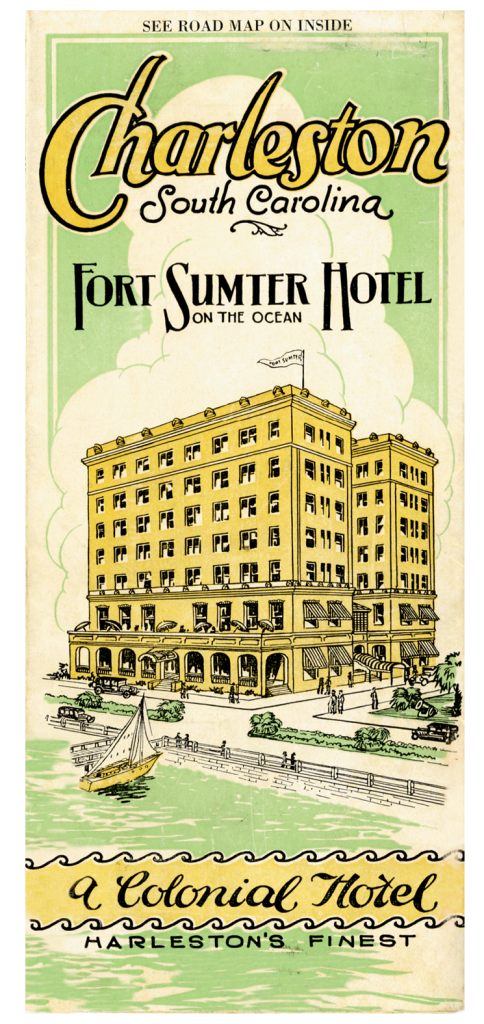
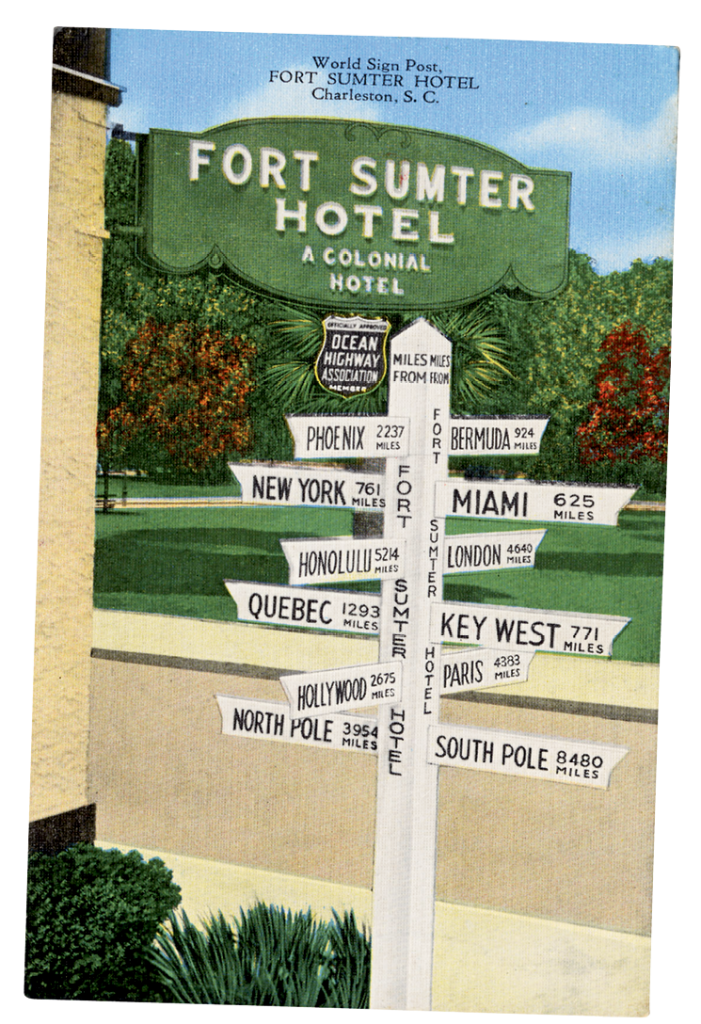
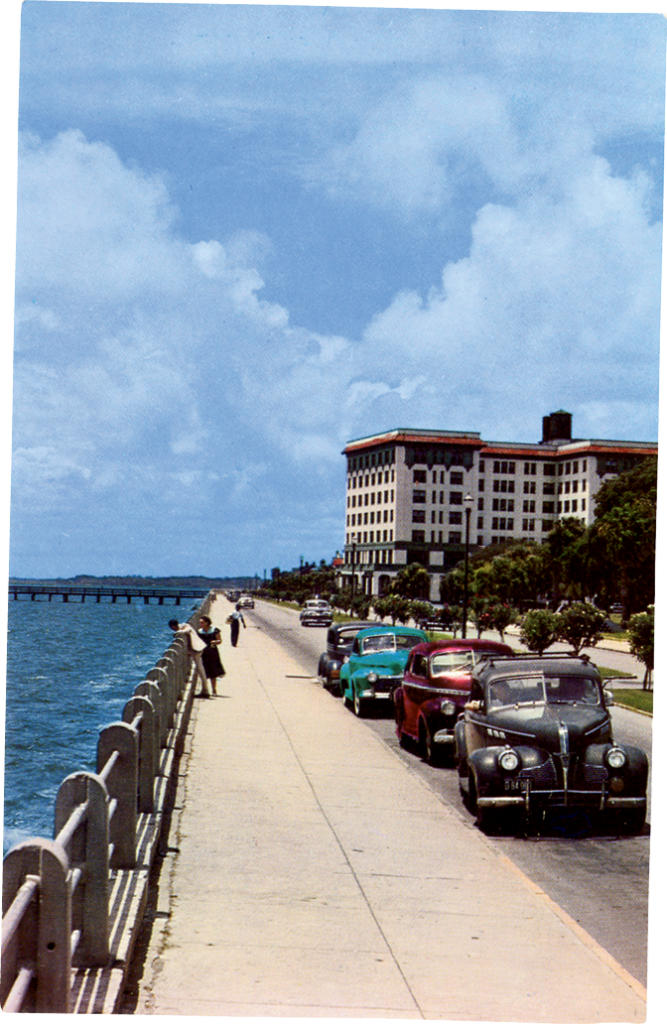
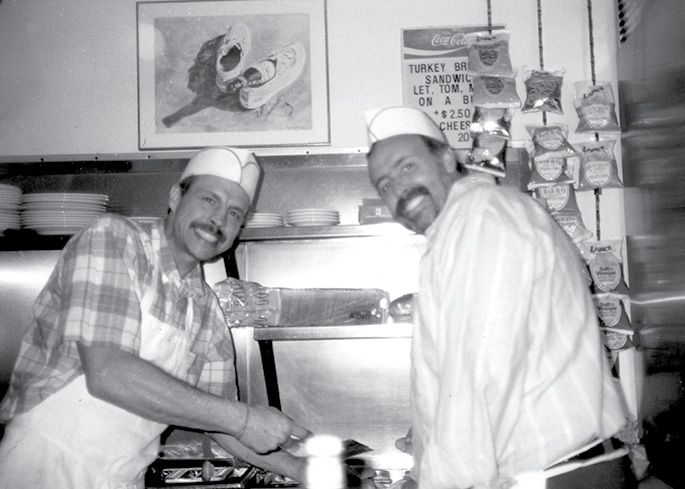
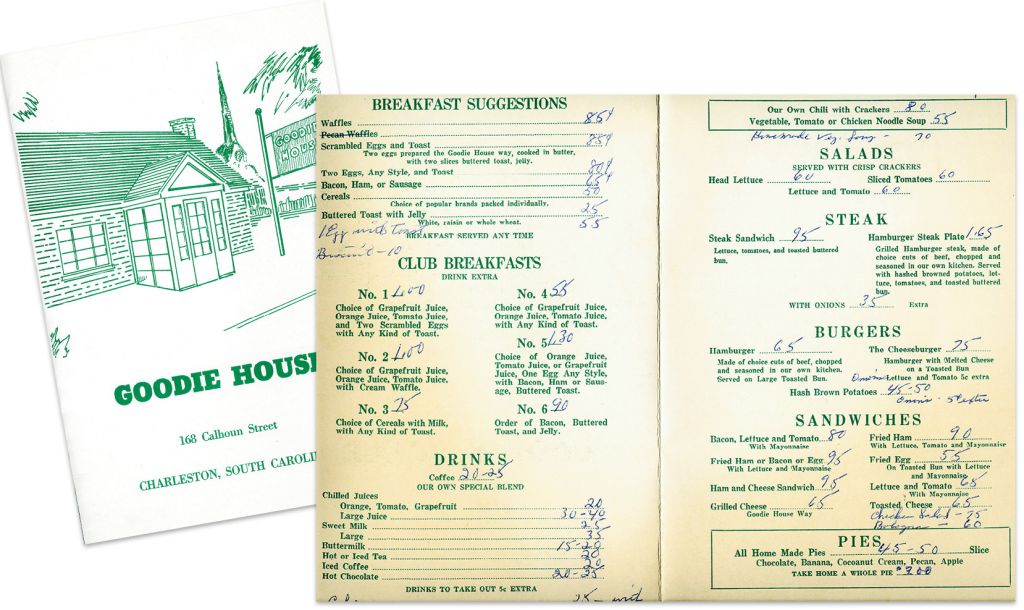
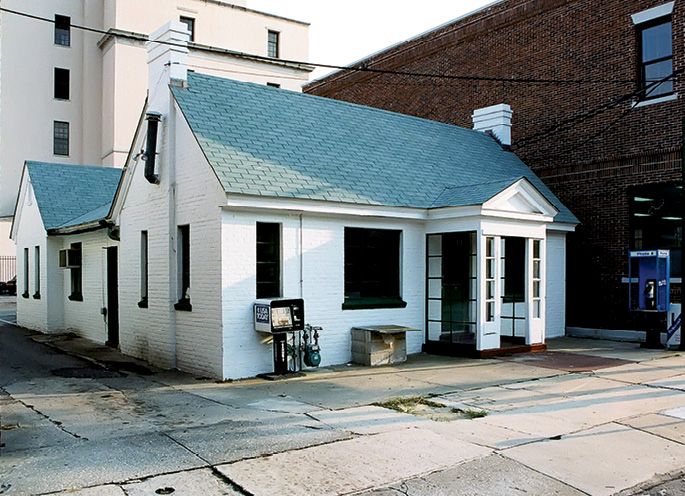
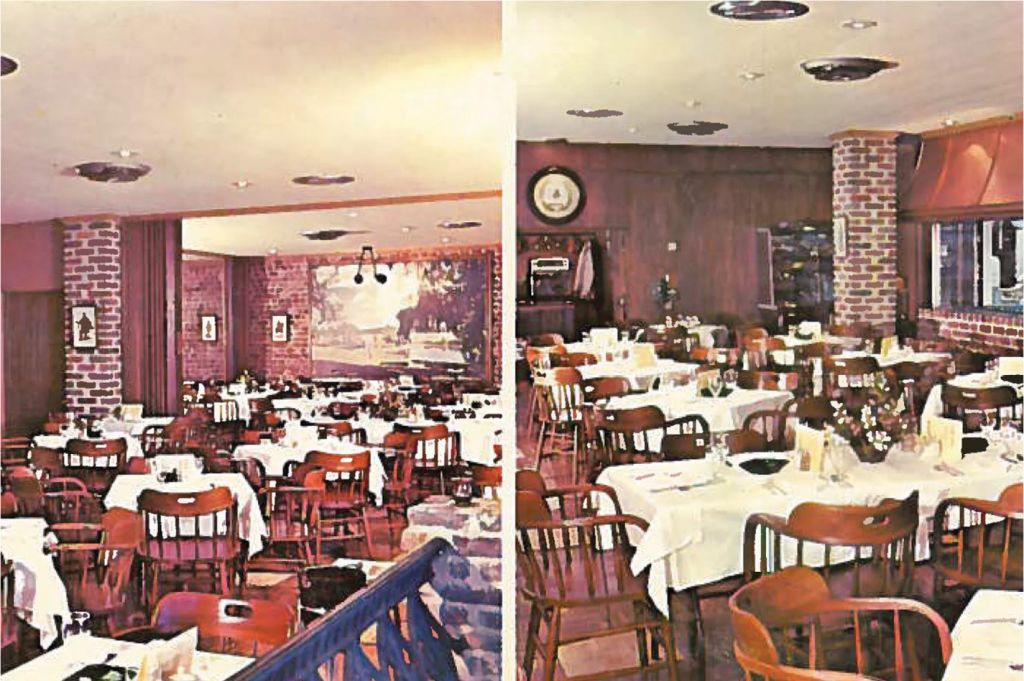
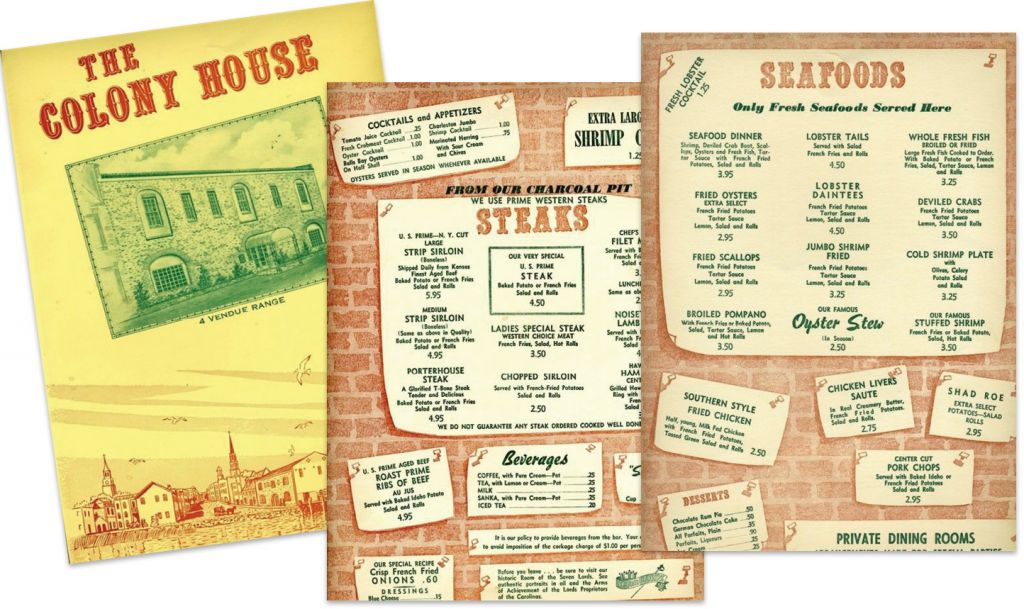
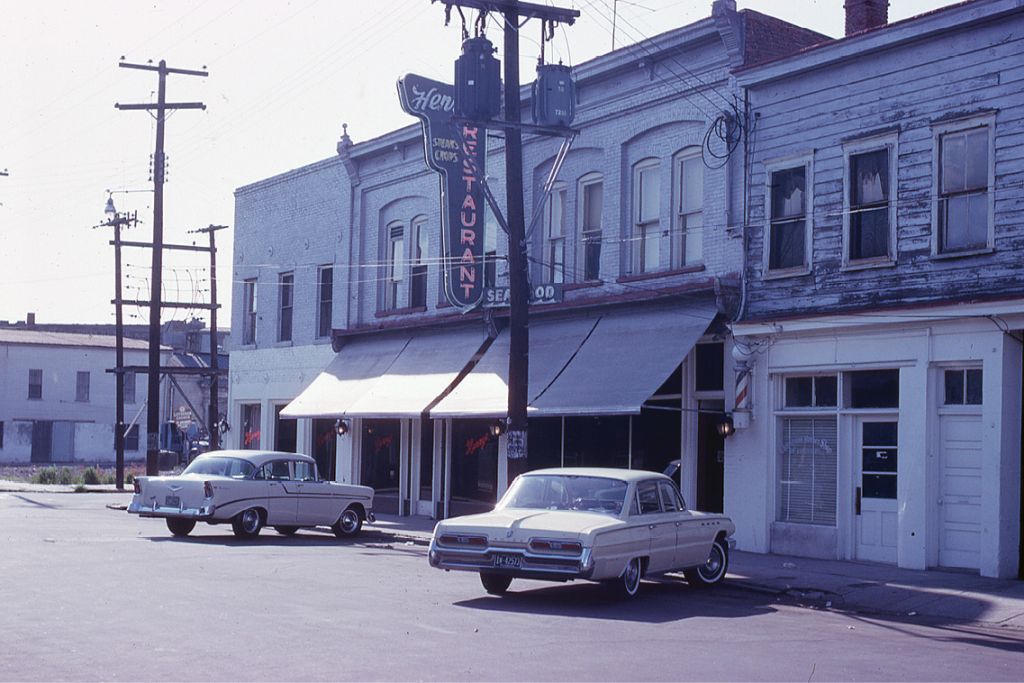
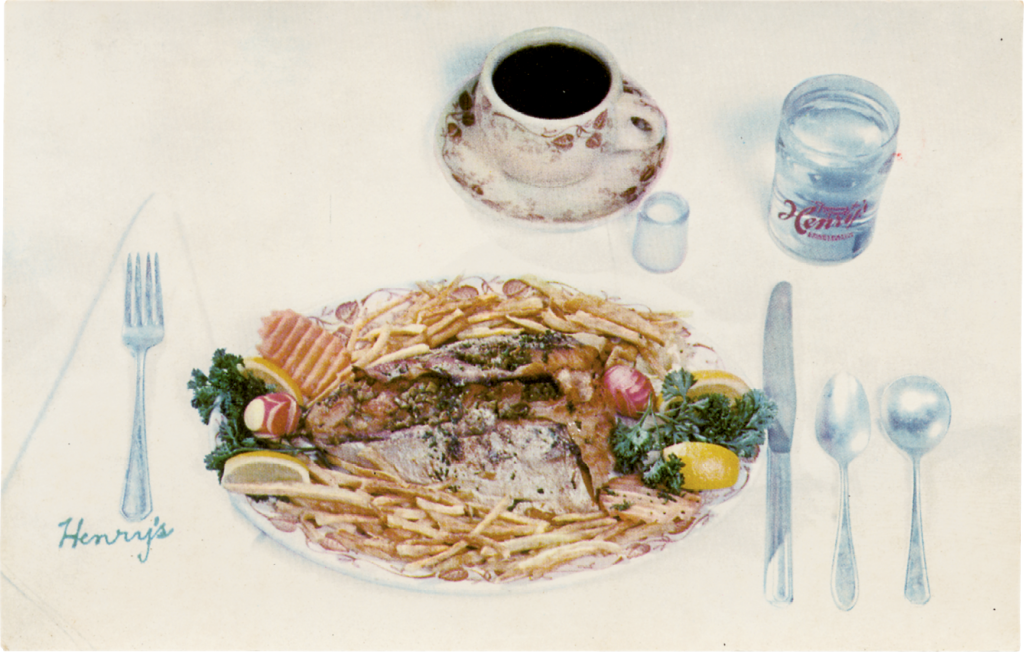
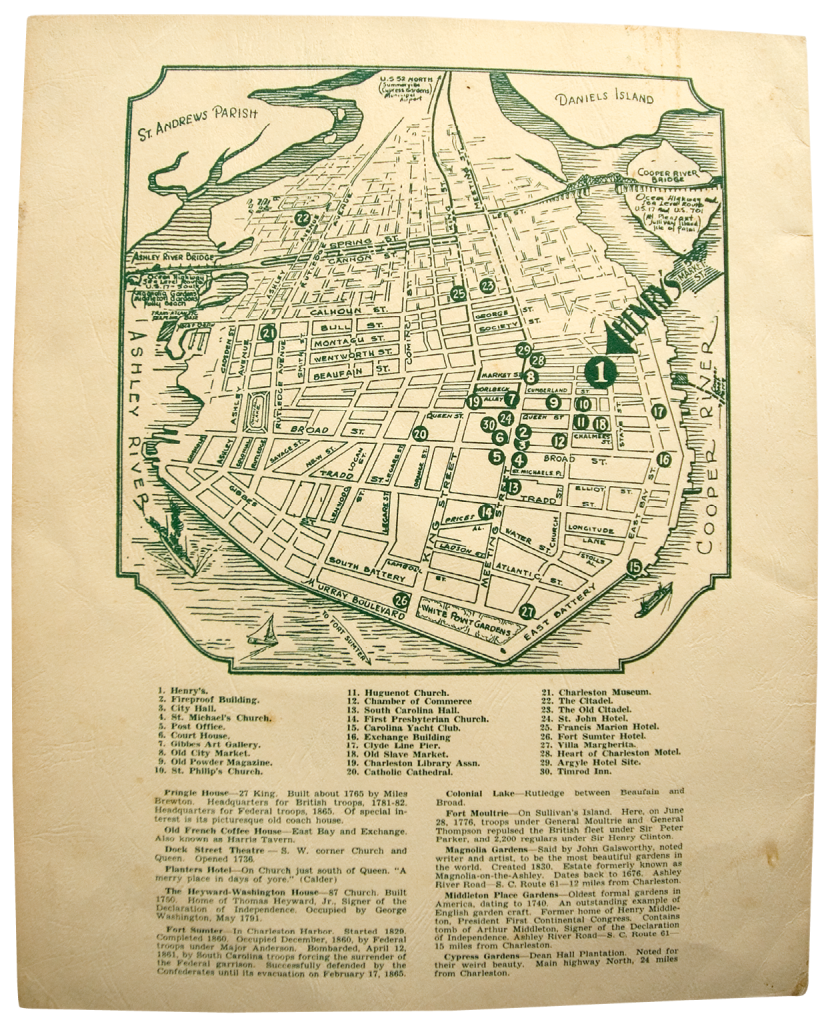
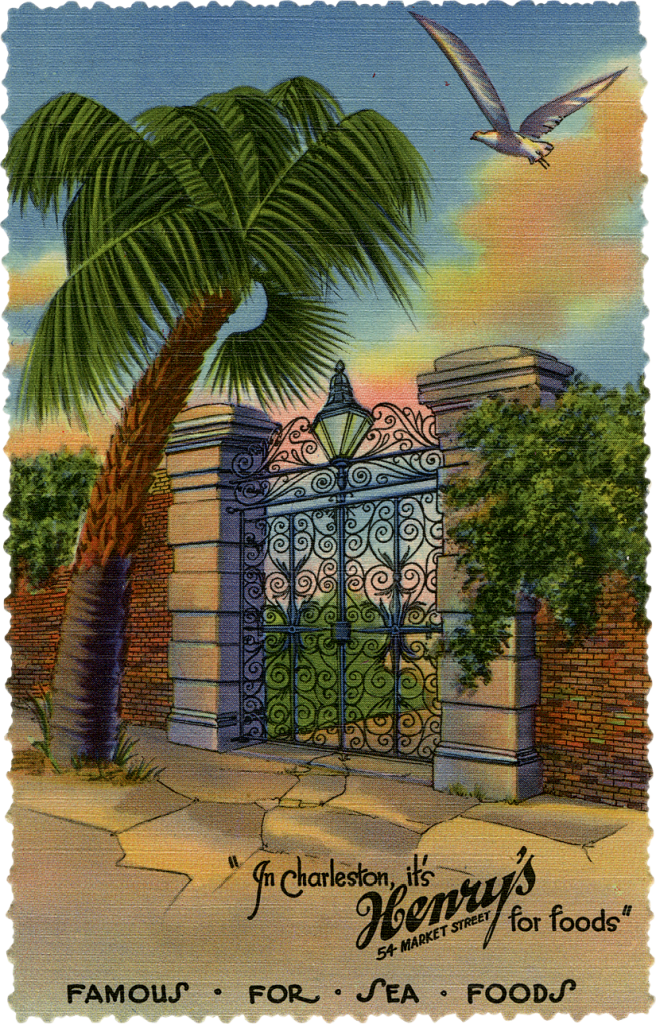
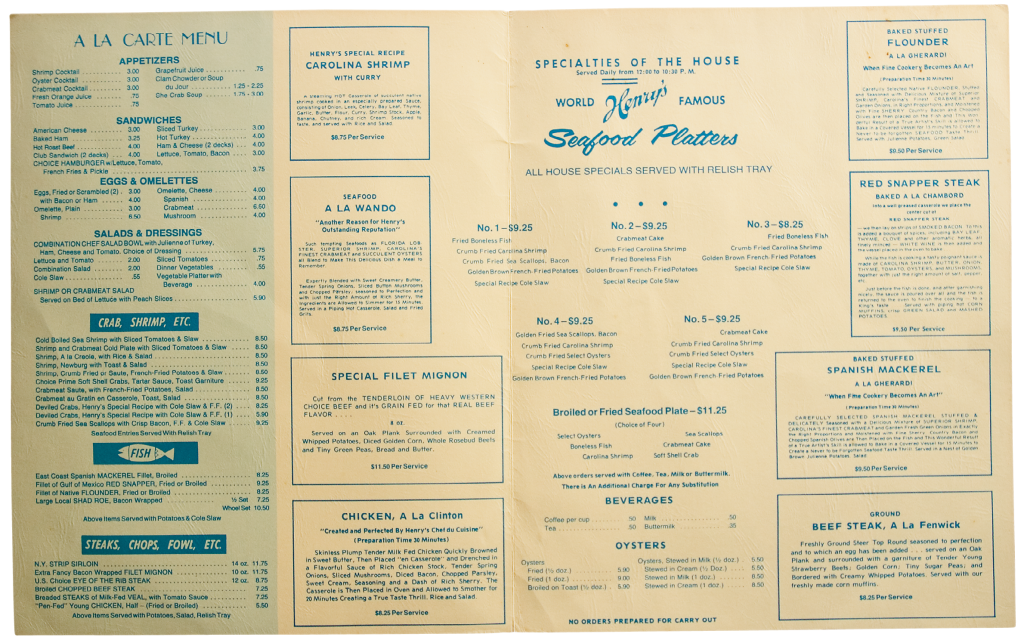
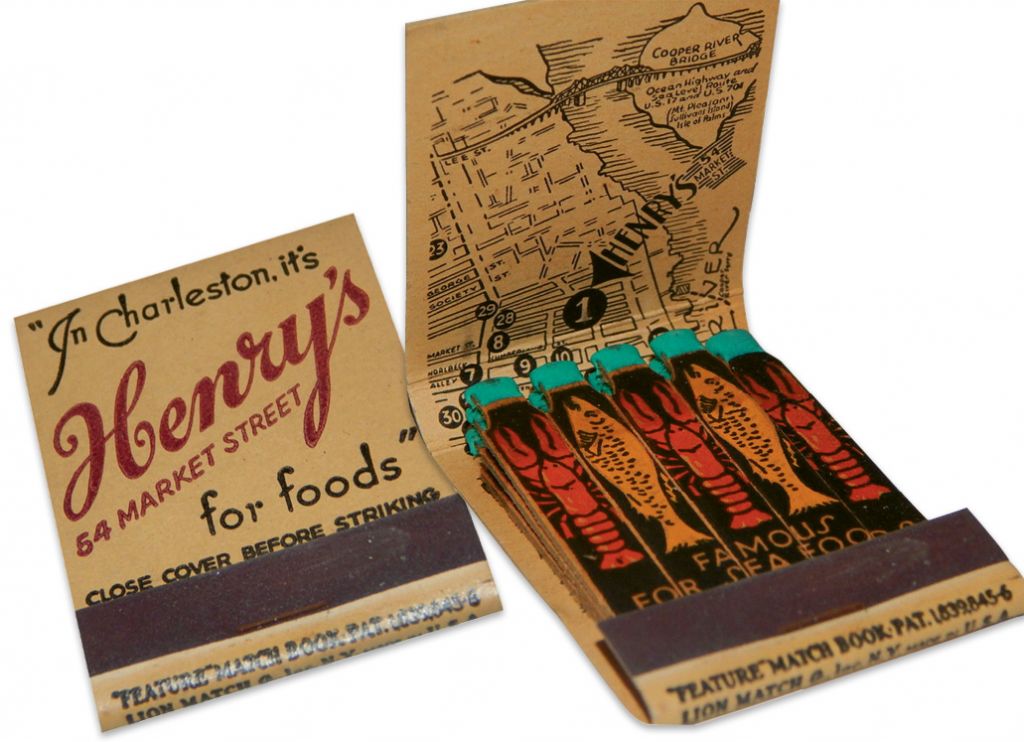
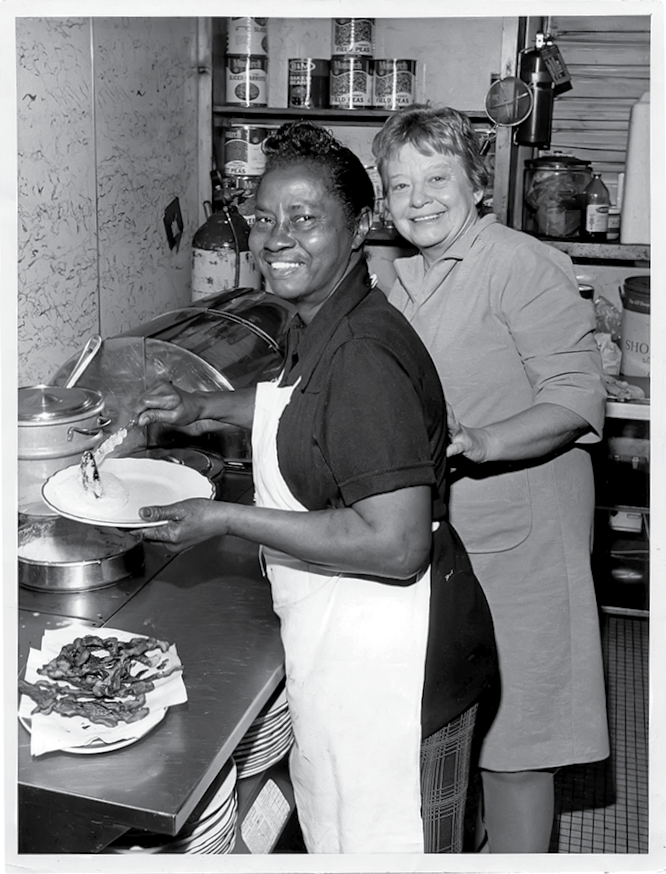
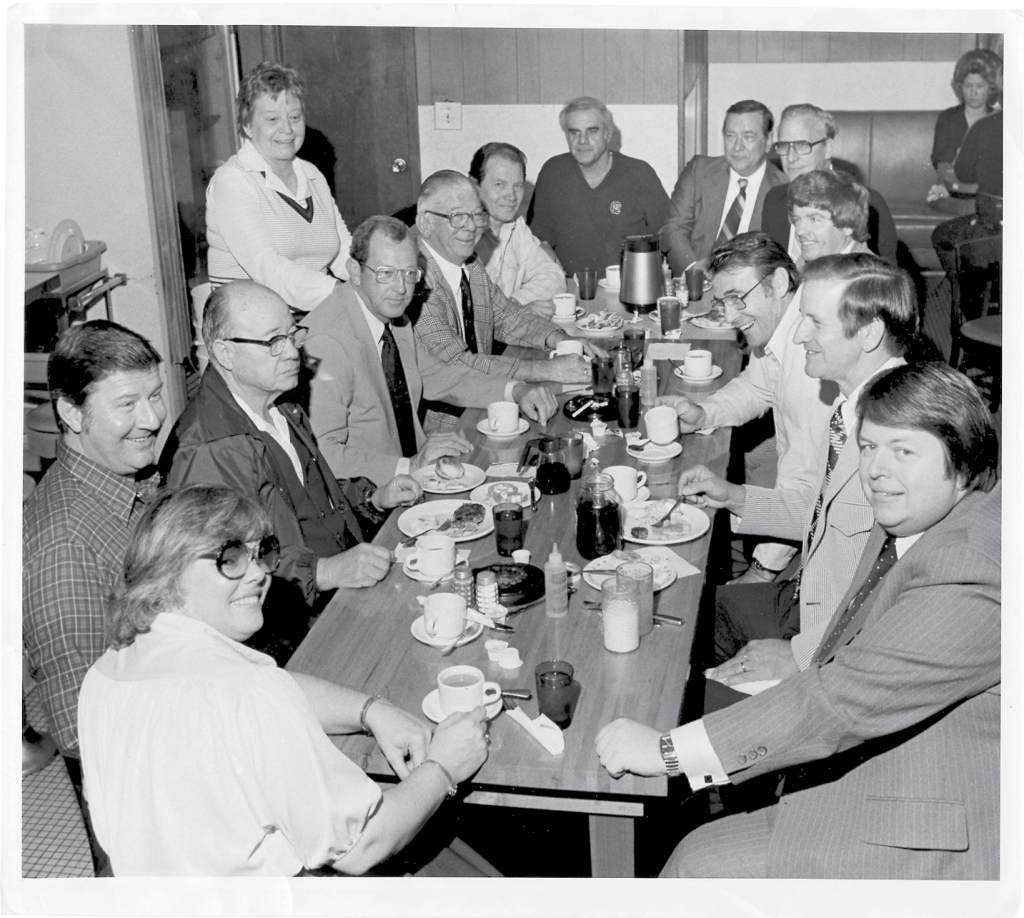
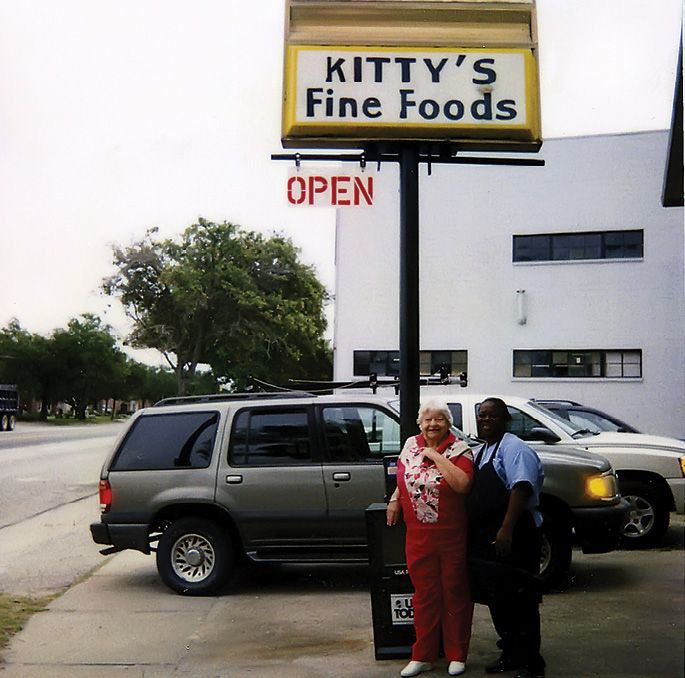
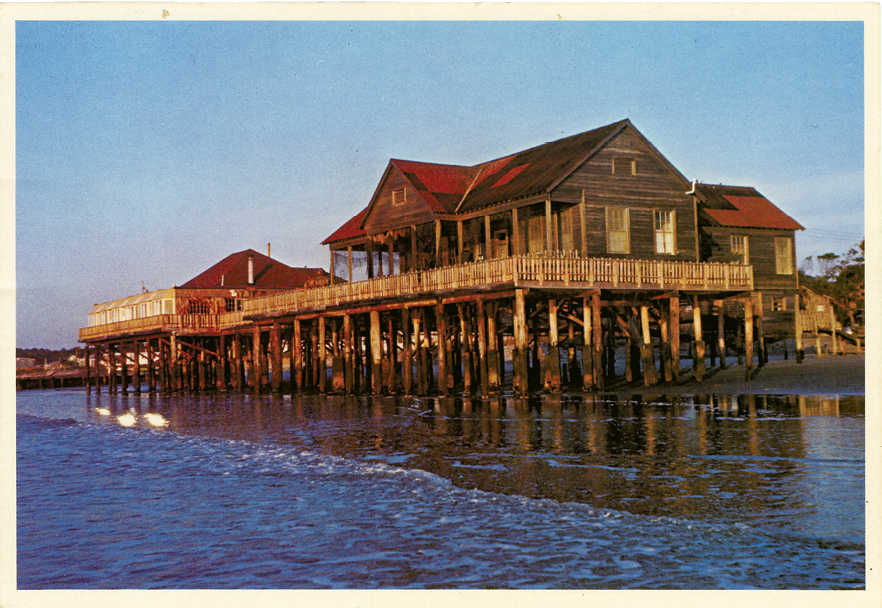
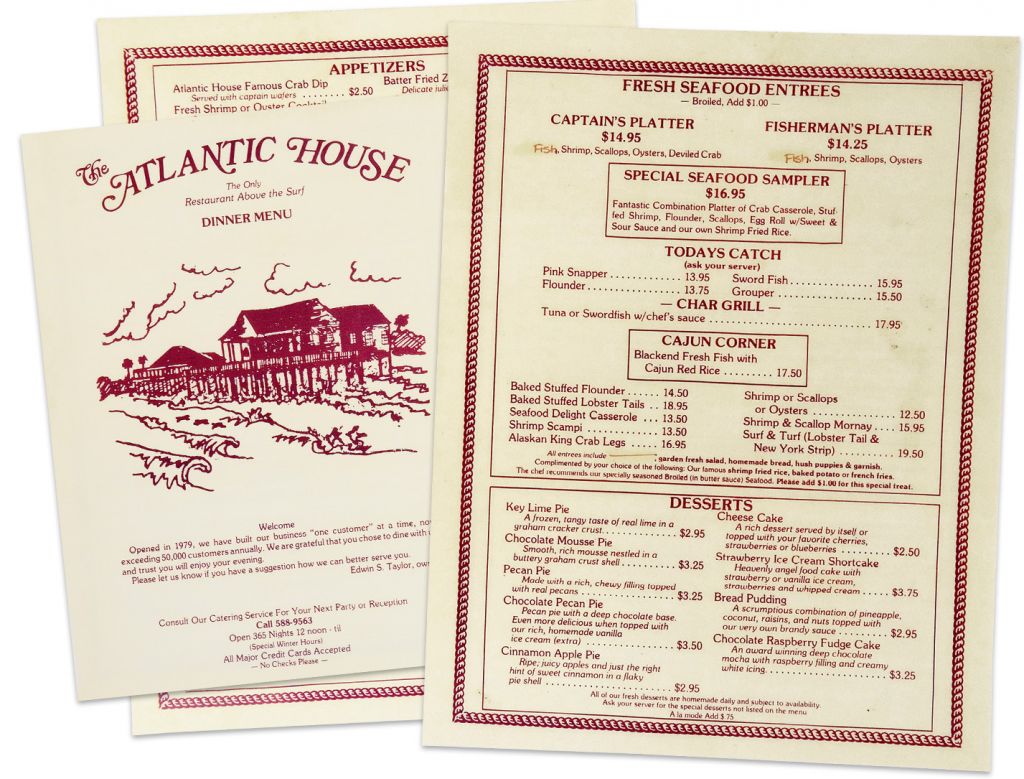
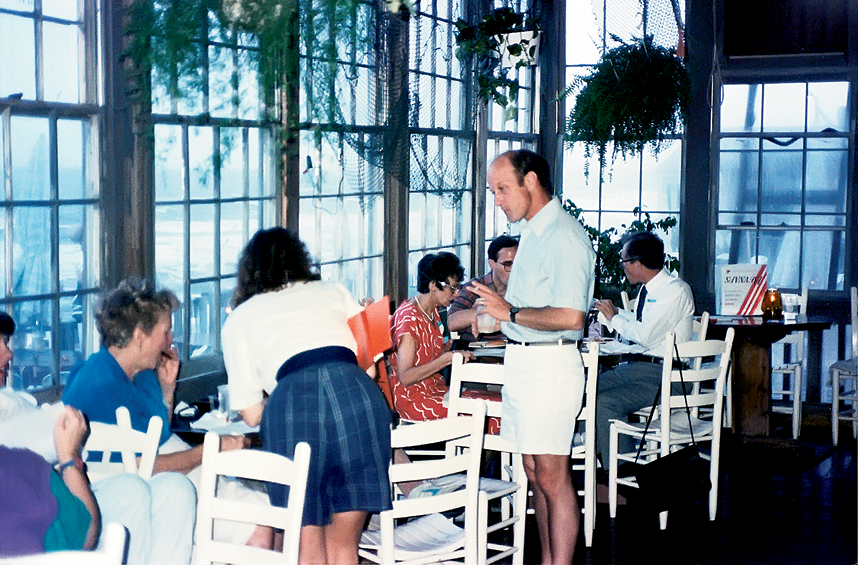
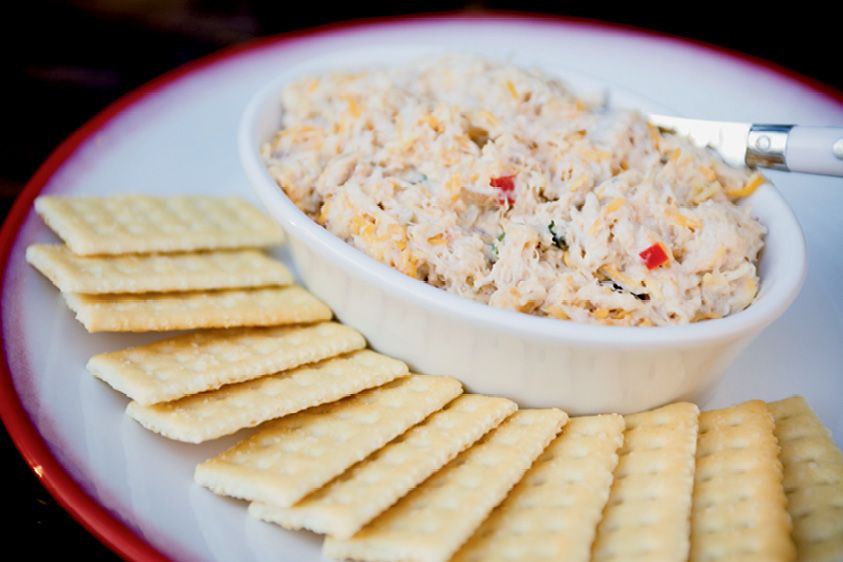
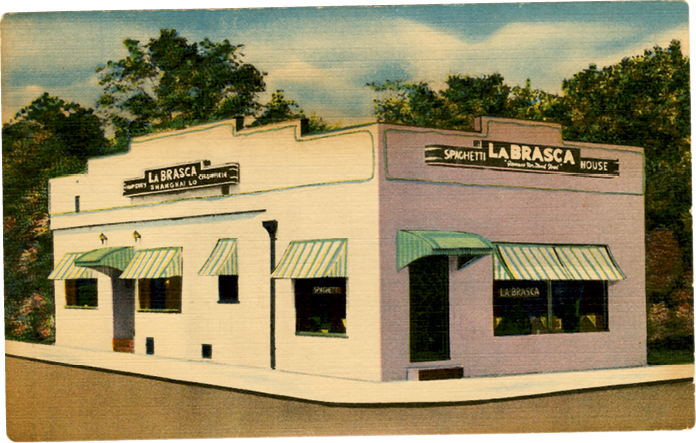
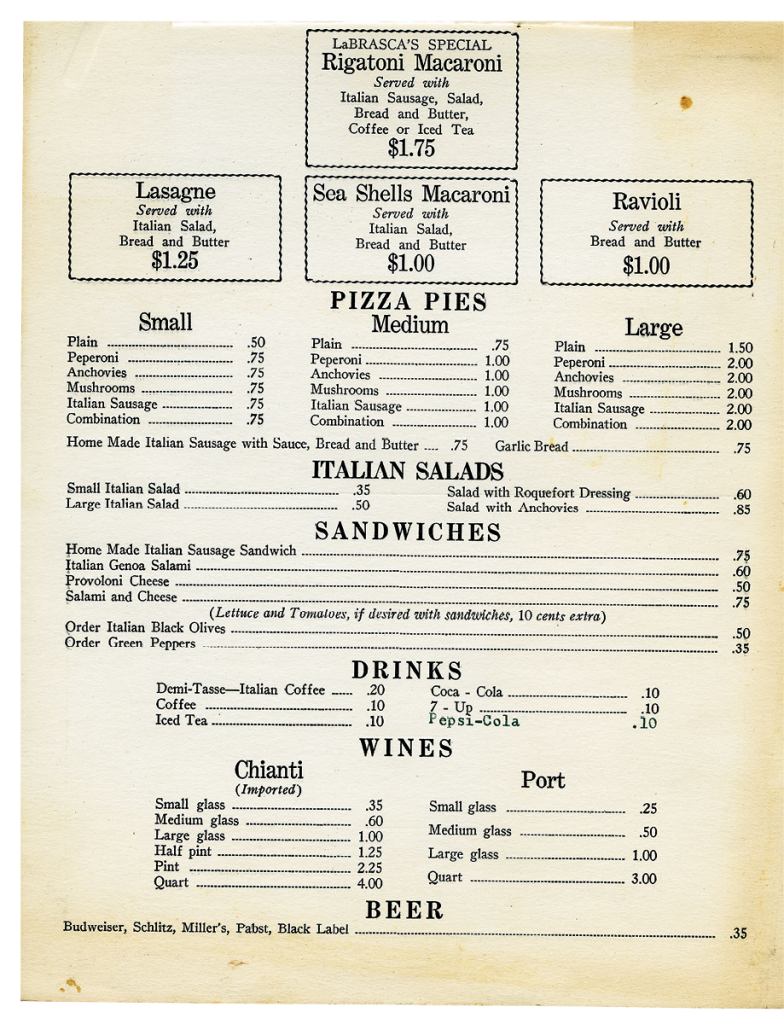
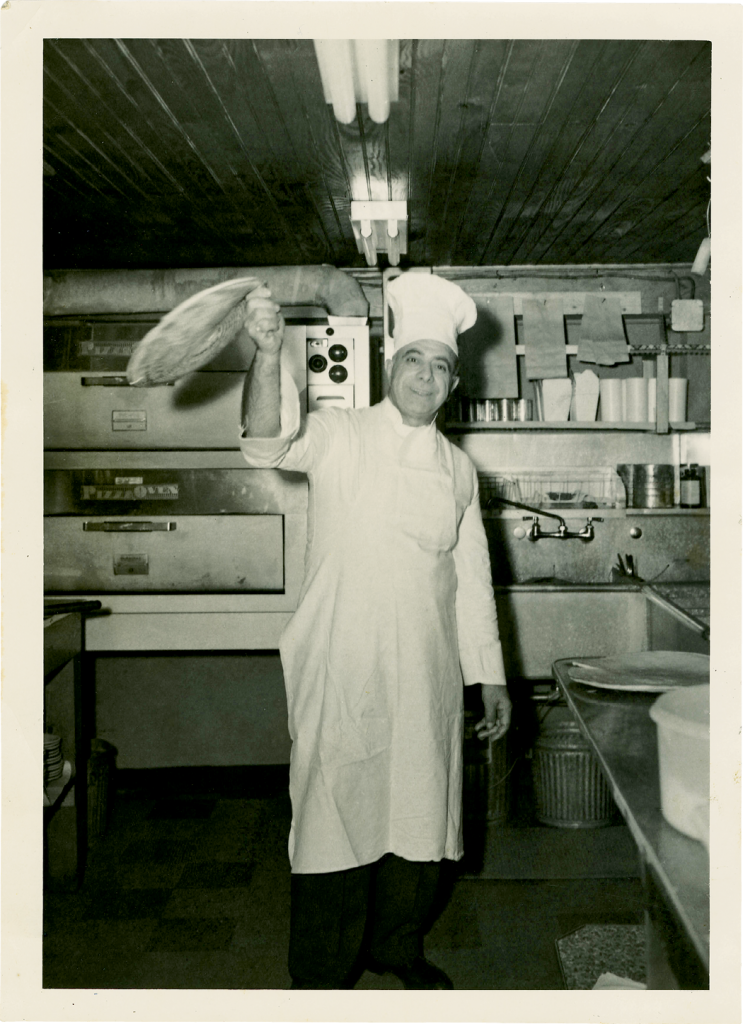
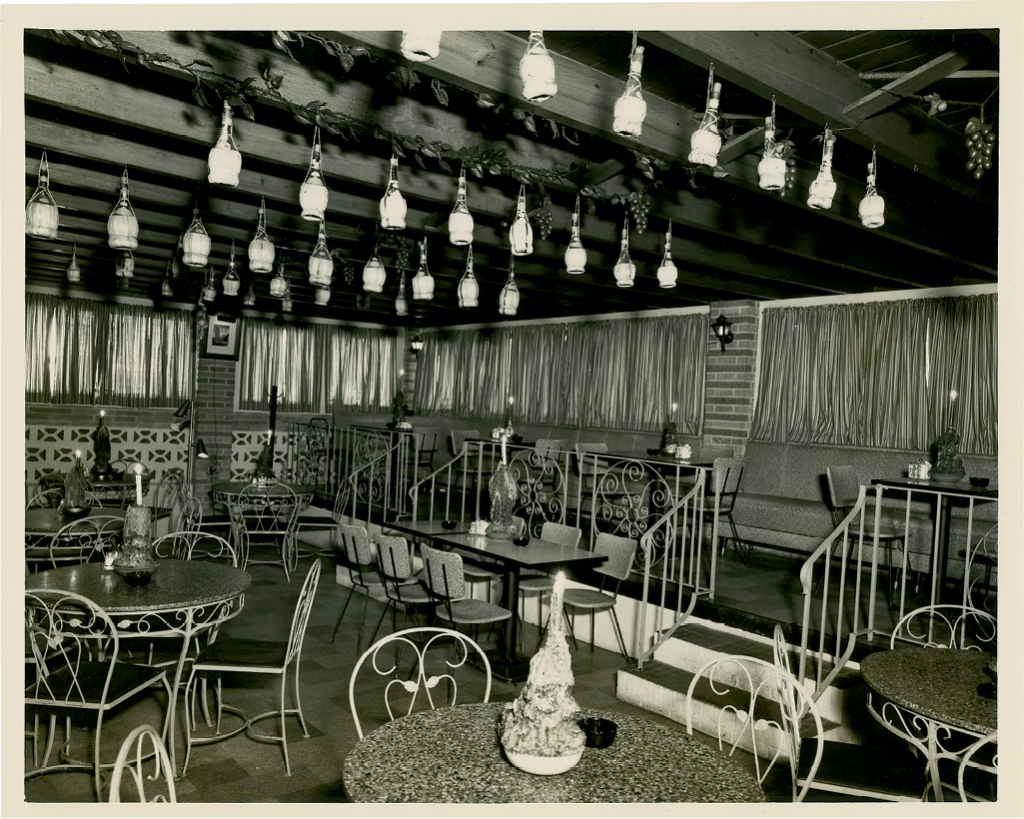
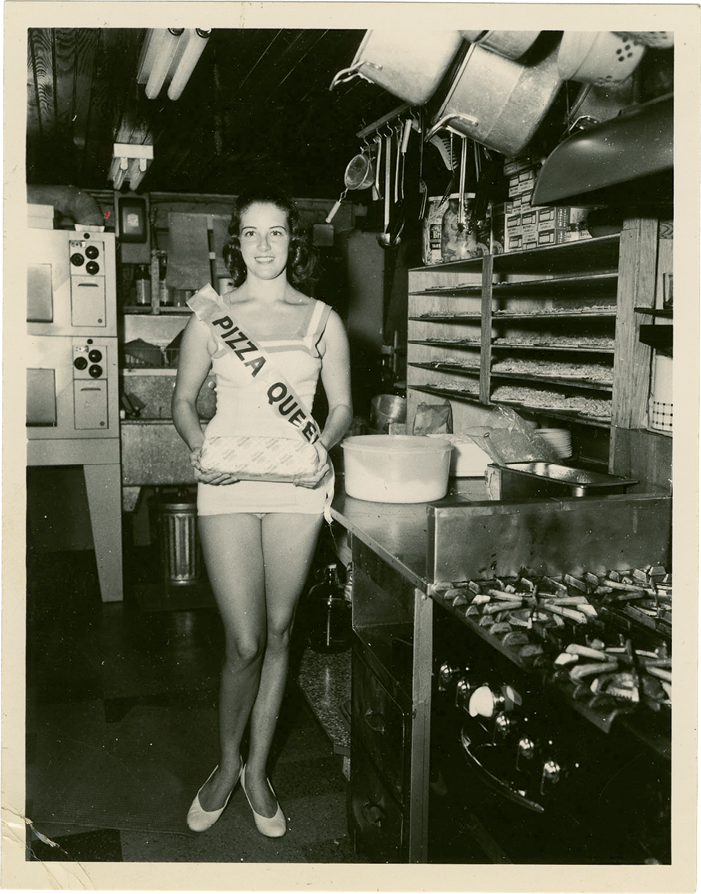
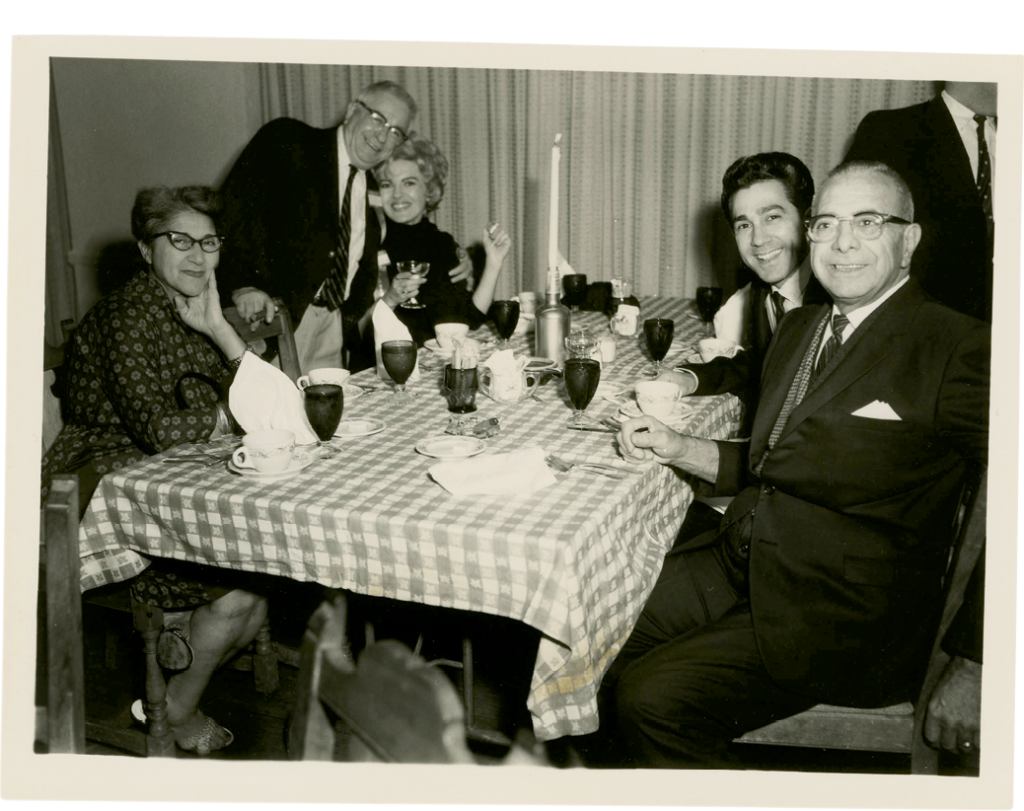
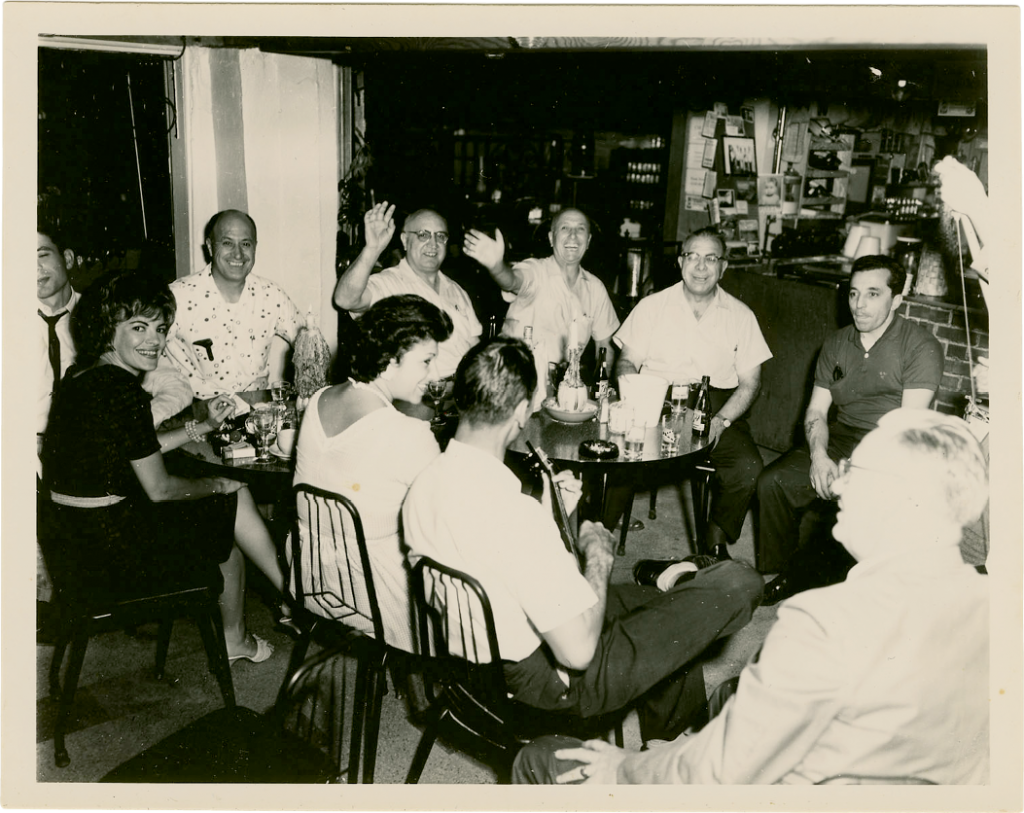
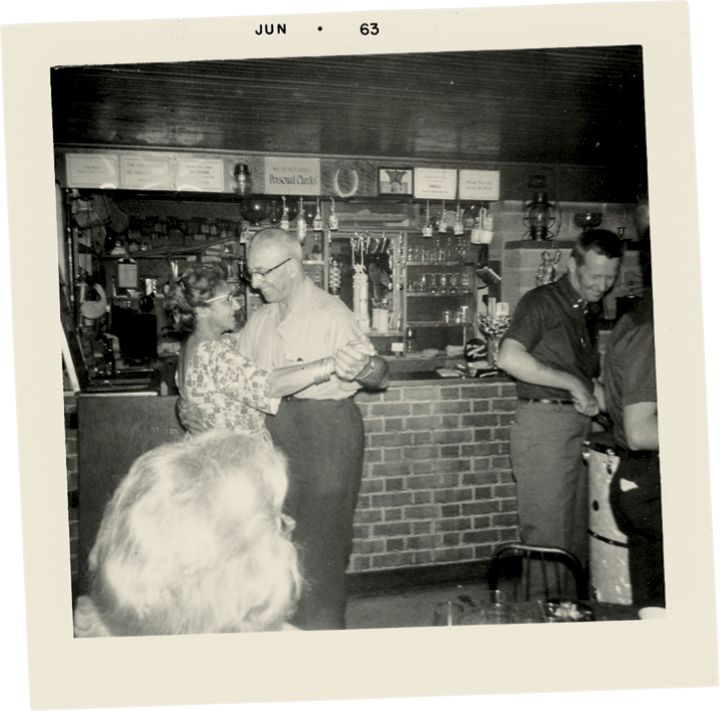
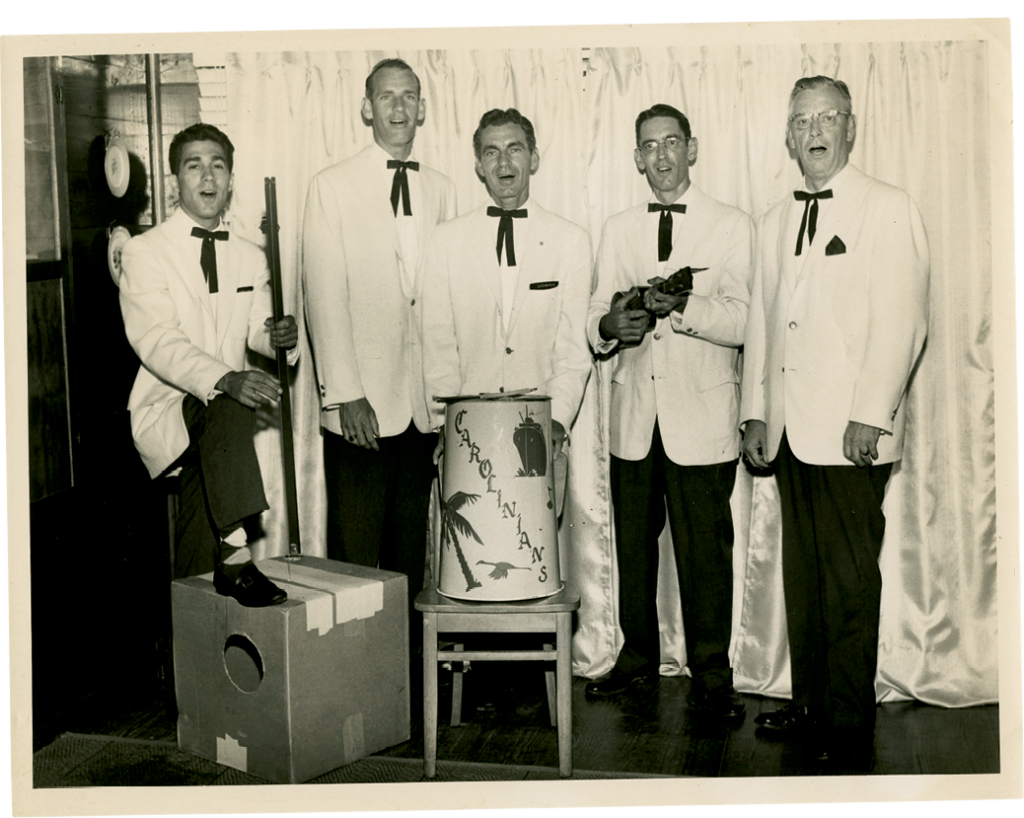
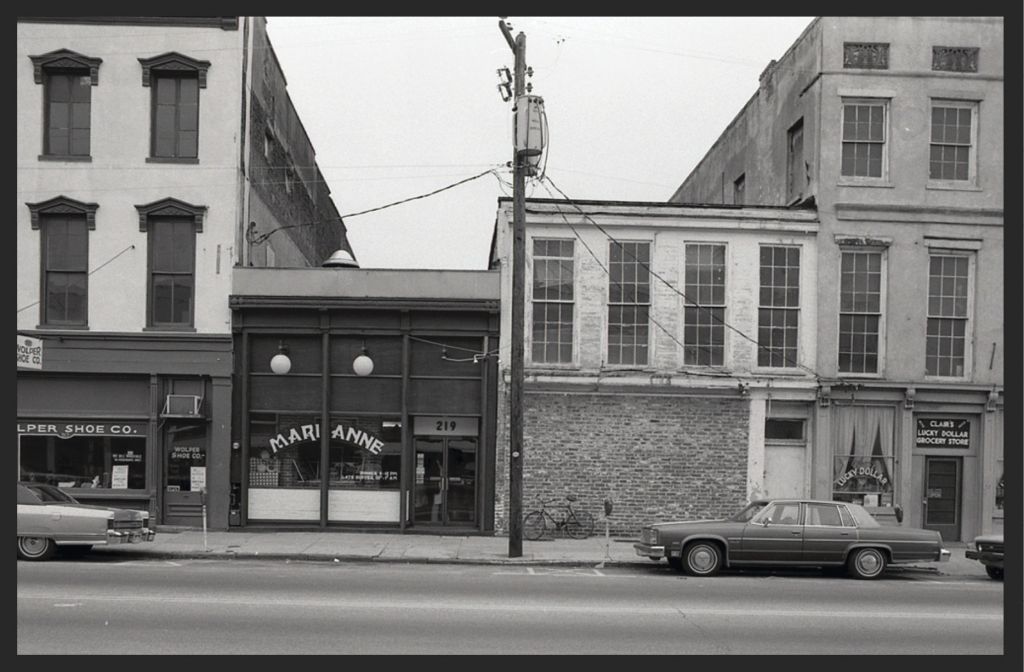
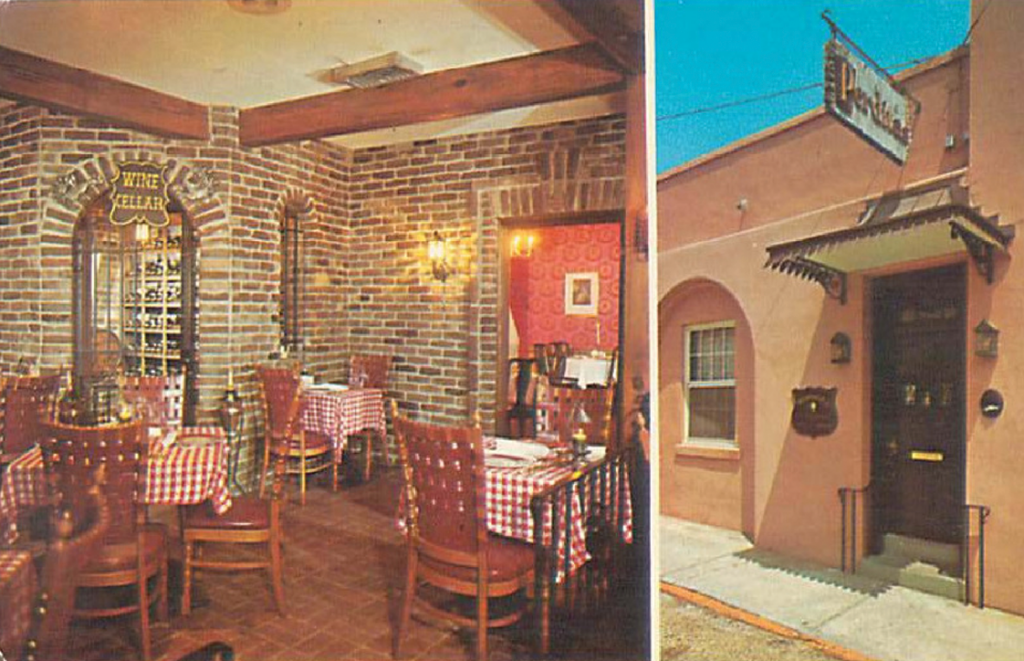
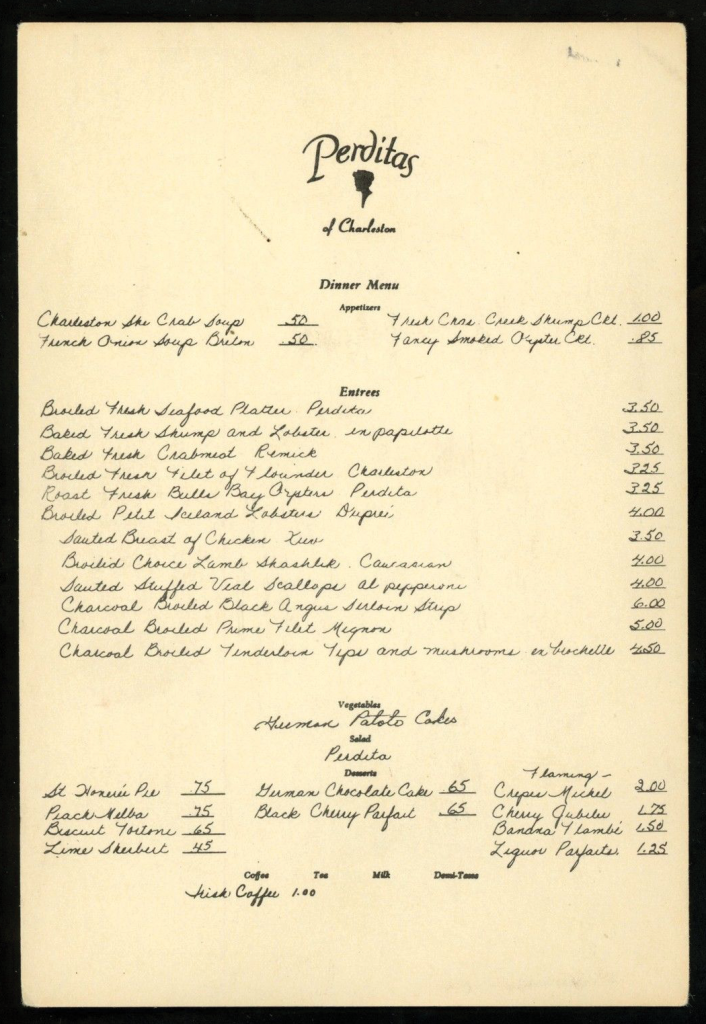
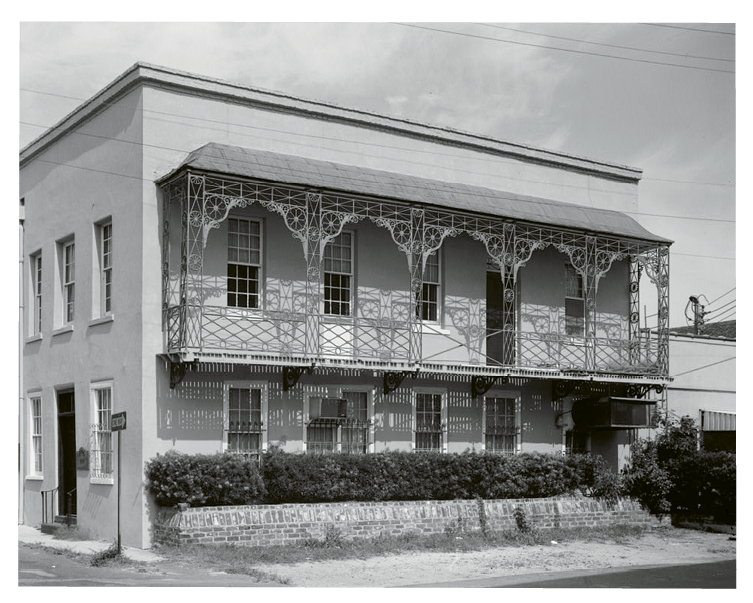
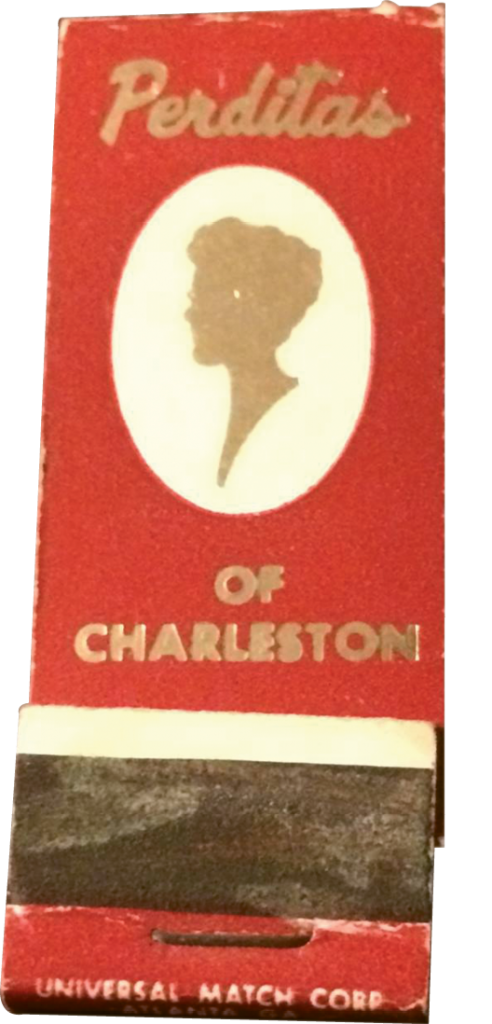
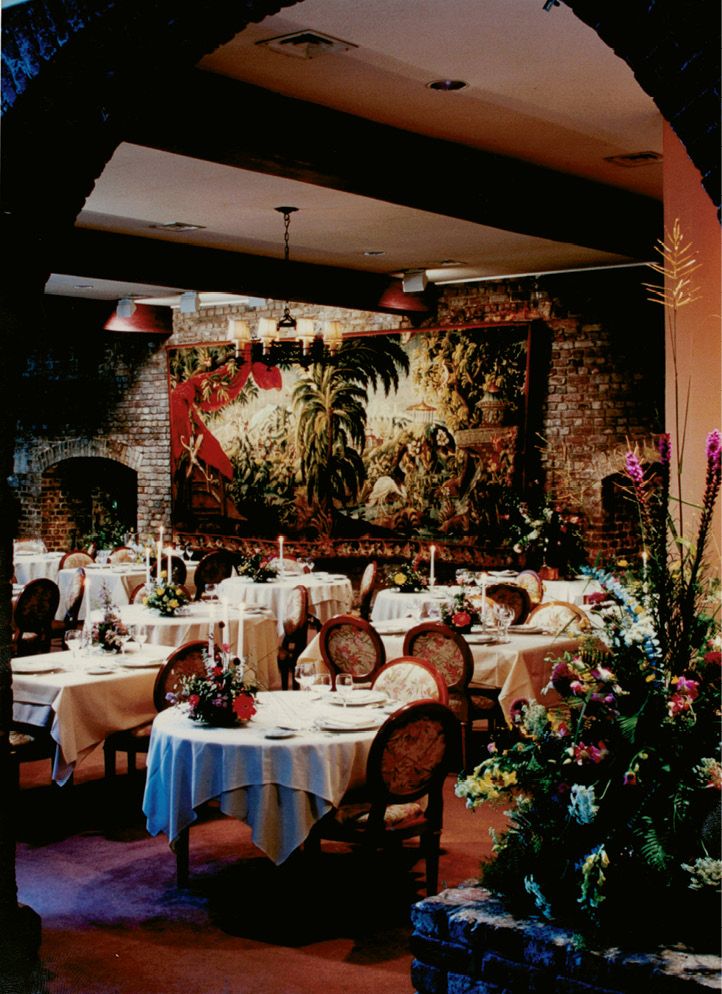
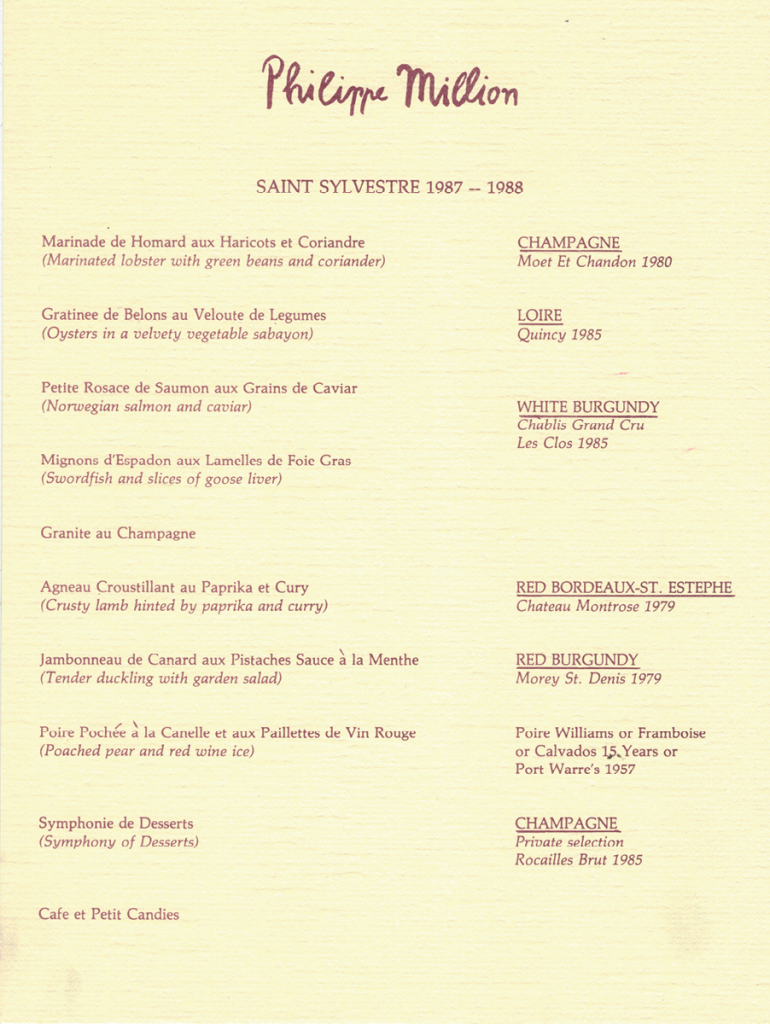
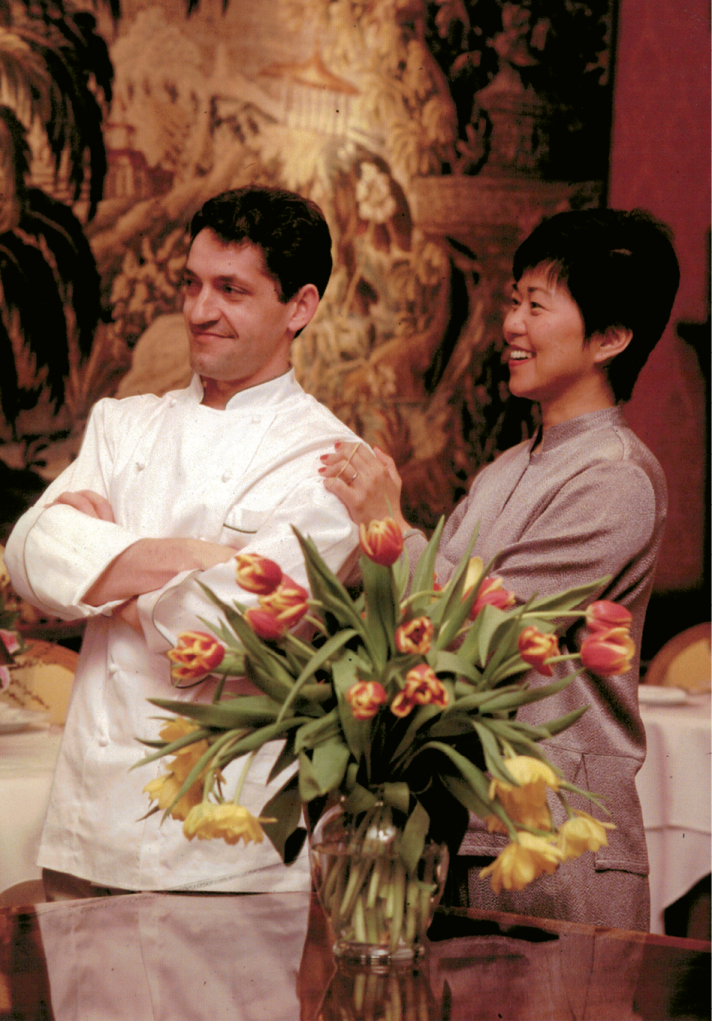
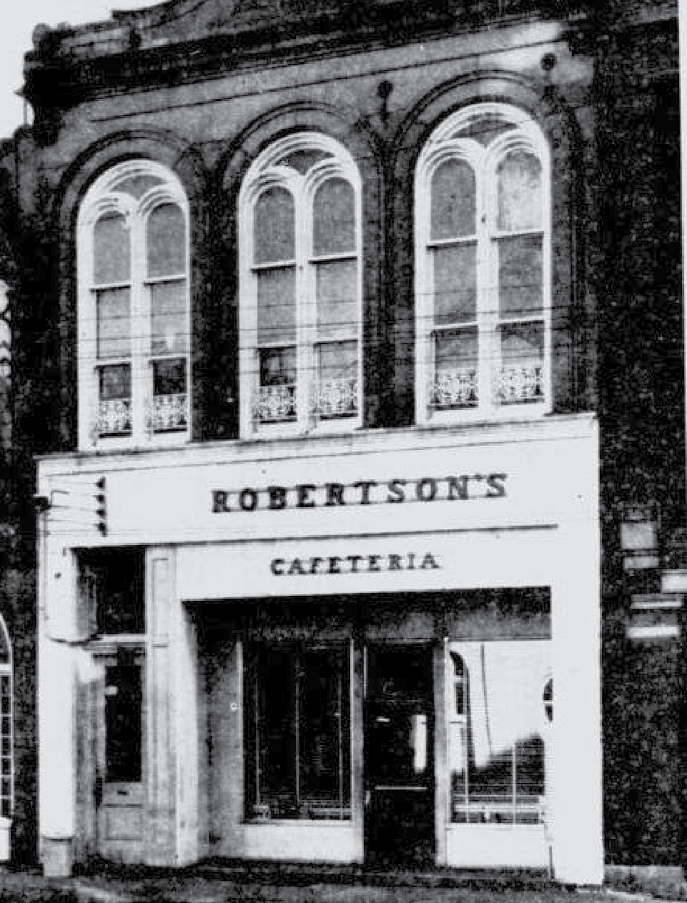
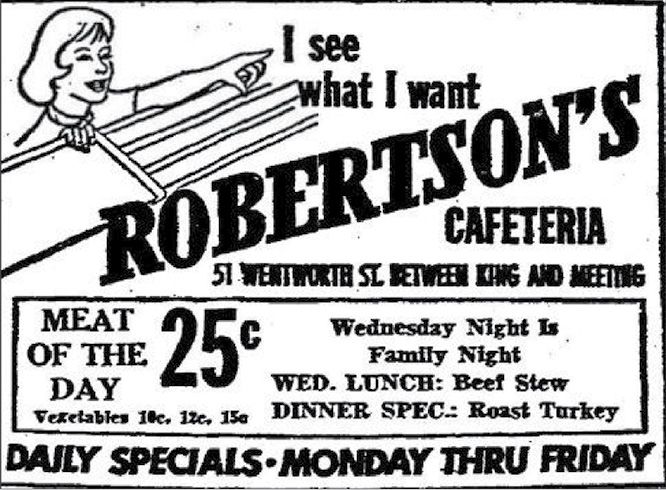
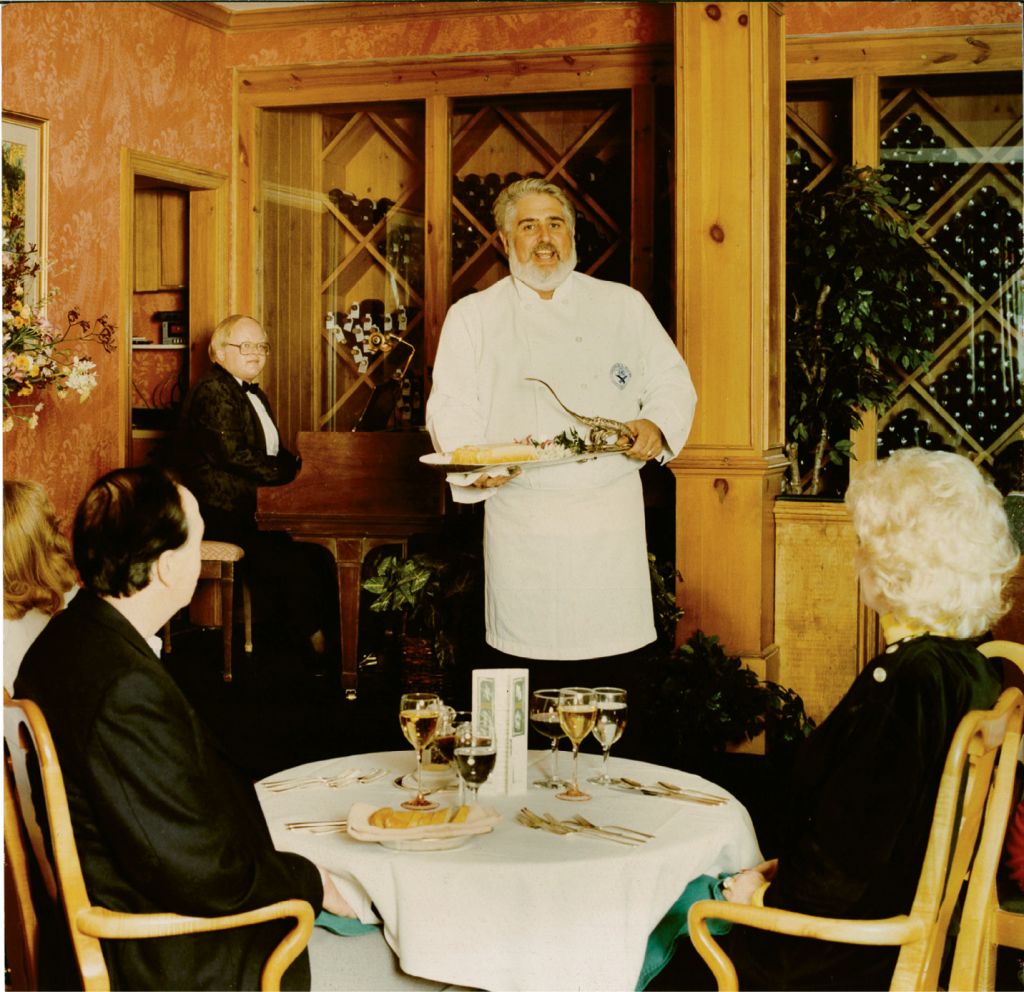
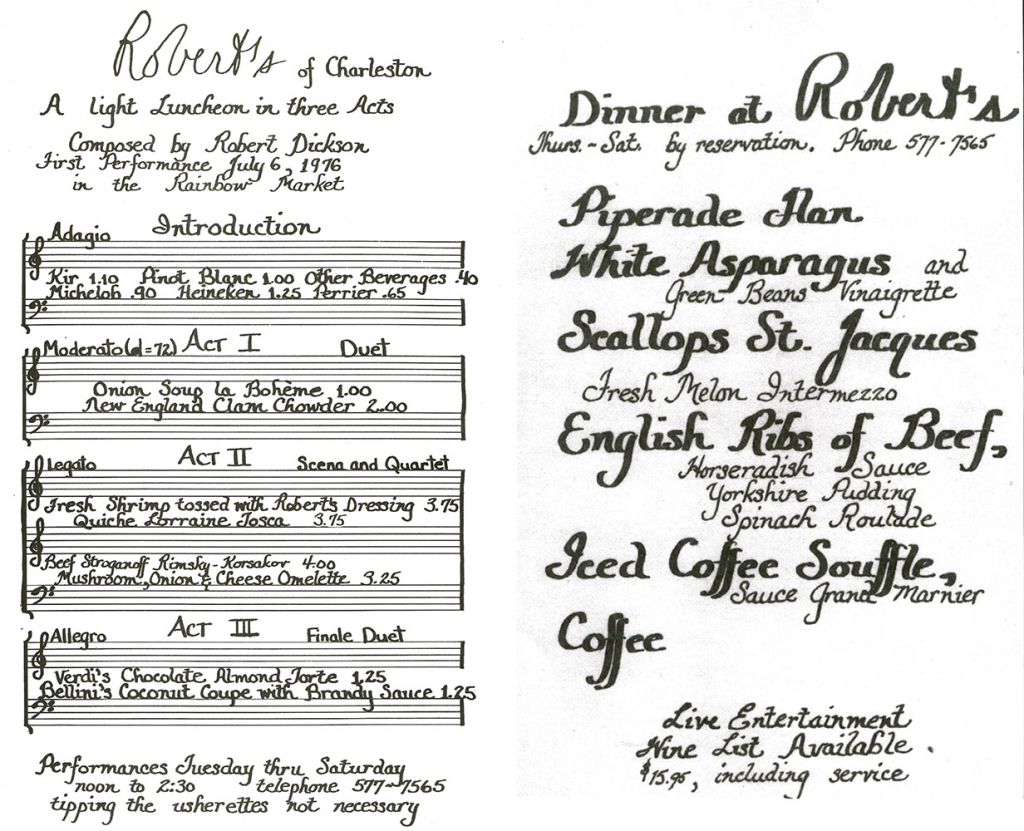
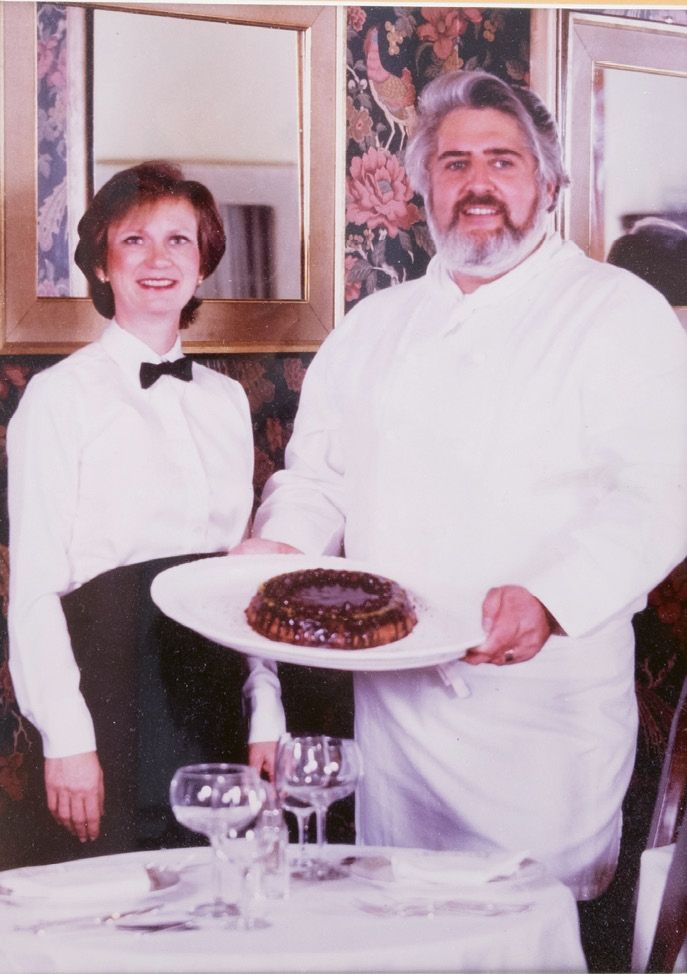
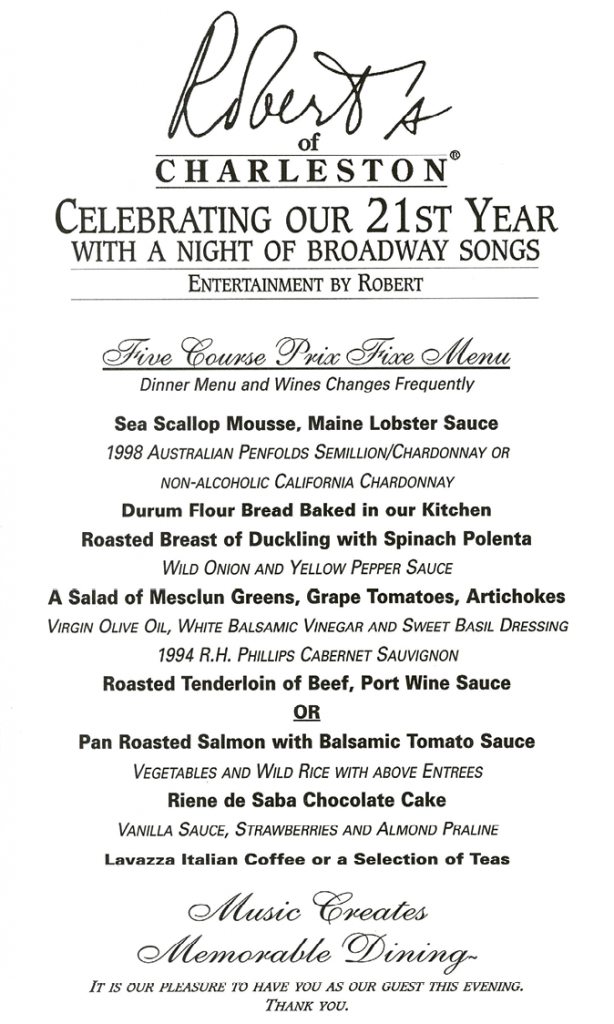
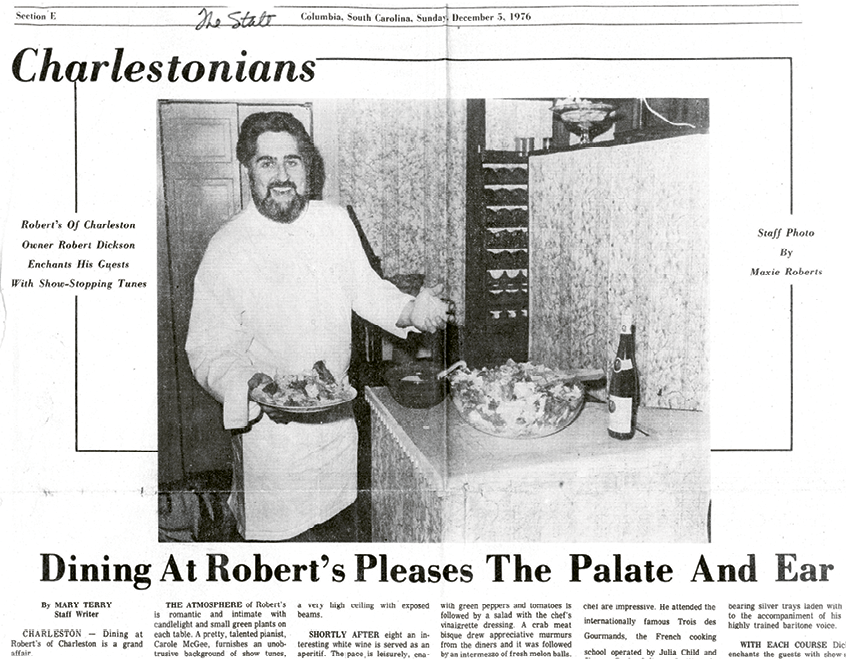
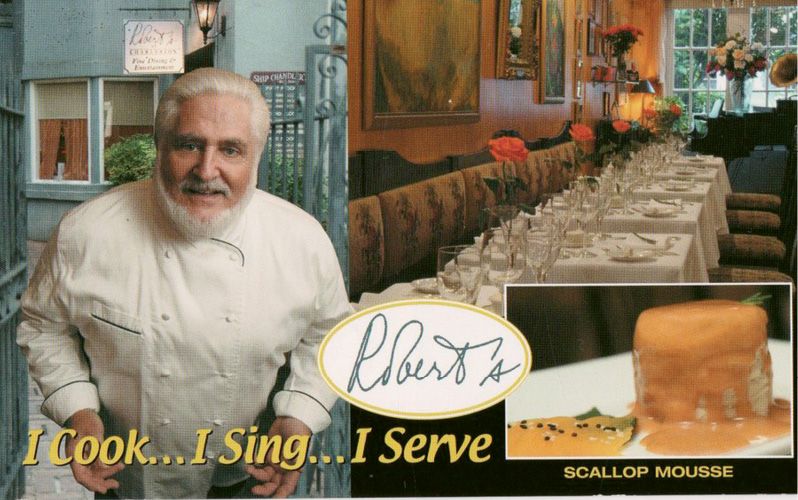
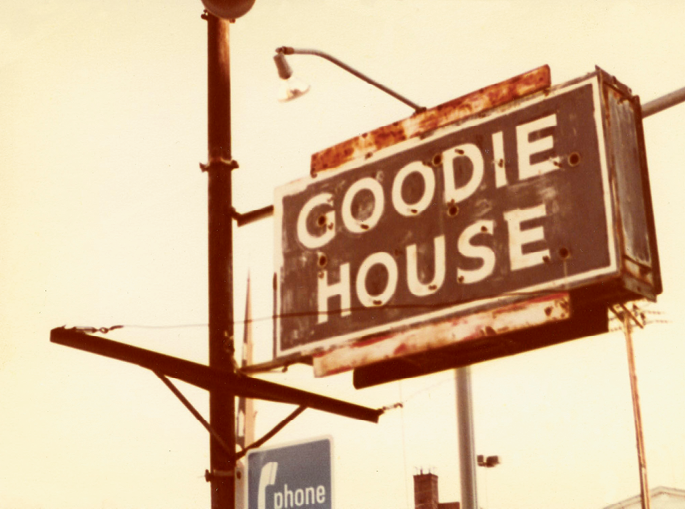
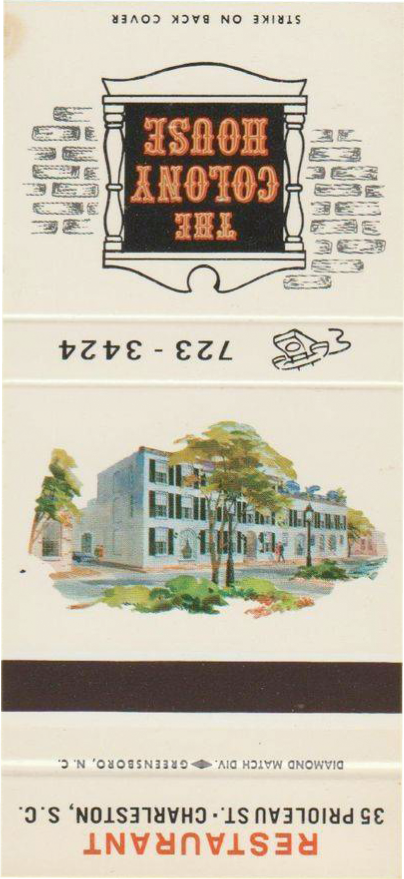
Bowens Island, photo by Peter Frank EdwardsJohn Sanka fried up shrimp and more at the restaurant for decades; photograph by Cramer GallimoreDedicated oyster cook Henry Gilliard stoked fires and roasted clusters in the oyster room from 1995 to 2011; photograph by Cramer GallimoreThousands of regulars left their mark on the old building’s interior; photograph by Cramer GallimoreThe James Island oyster shack, circa 2006; photograph by Jim BruecknerA fire destroyed the place in 2006, the same year that the James Beard “American Classic” award was bestowed upon the Lowcountry institution; photograph by Cramer GallimoreRebuilt and better than ever, Bowens Island Restaurant continues to serve up great beer, seafood, and Intracoastal views; photograph by Peter Frank Edwardsphotograph by Peter Frank EdwardsThe Cavallaro’s original Art Deco façade on Savannah Highway after the restaurant closed post-Hurricane HugoThe orchestra at The CavallaroAmong the restaurant’s offerings were souvenir photos.Sheet music from the West Ashley hot spot’s heydayThe Cavallaro menuAfter attending The Citadel, Melvin Bessinger, son of Holly Hill barbecue king “Big Joe” Bessinger, created Piggy Park Drive-In, a popular barbecue joint on upper Rutledge AvenueA second location (now Bessinger’s) was opened on Savannah Highway.Longtime employee James YoungCelia’s Porta Via at 49 Archdale StreetCelia Cerasoli with her parents, Arnold and Tina, who inspired her recipes and helped open the restaurant.The dining room was decorated with photos of her family.Patrons always had a ball, especially during Carnevale-themed dinners.The menuCelia’s ethereal, 25-layer lasagnaPart-deli, part gourmet foods store, part restaurant: Harold’s Cabin on Wentworth Street in 1954A table set for a midday dinner in the balcony restaurantDelicacies imported from around the worldThe downstairs deliEverett’s Restaurant on the west end of Cannon Street in the 1950sEverett’s chef William Deas created she-crab soup while cooking for Mayor Goodwyn Rhett.Touted as Charleston’s only waterfront hotel, the Fort Sumter Hotel’s Flag Room featured entrées such as shrimp in a basket served amidst unparalleled water views.Déjà FoodDéjà FoodLooking down the Battery towards the Fort Sumter Hotel, circa 1950The Goodie House signBrothers C.M. and Cliff Williams in the Goodie House kitchen in the 1970sThe Goodie House menuThe Calhoun Street institution after its closure in 1997The Colony HouseMenus from the old school restaurant circa 1960s, before new owners Franz Meier, Chris Weihs, and Harry Waddington “would turn haute cuisine in Charleston on its head.”Déjà FoodHenry's on the MarketPostcards touted Henry’s famous cuisine.A promotional map of the city’s sites and institutions features a prominent arrow pointing to the legendary Charleston eatery, located on Market Street.Postcard from Henry'sFounder Henry Hasselmeyer tailored the menu to offer specific Lowcountry fare.Déjà FoodMiss Kitty Proctor dishing up Southern eats with a smile in the 1970s alongside Maddie HeneghenKitty’s “Coffee Club” circa 1980, its members gathered every morning at 9:15, Miss Kitty is standing on the left.Miss Kitty with Martha Grant in the 1990s; Grant later acquired Miss Kitty’s and paid homage to its 40-year-old heritage by renaming it “Kitty’s Diner.”The Atlantic House on Folly BeachThe Atlantic House menuDining in the mid-1980s, before Hurricane Hugo claimed the “Restaurant Above the Surf” for the seaAtlantic House Restaurant Crab DipLaBrasca Pizzeria & Spaghetti HouseDéjà FoodGeorge LaBrasca was the first to introduce pizza to Charleston.Numerous proposals and first dates took place on the Italian side’s balconyElaine Nolan, one of the LaBrasca “Pizza Queens;”The LaBrasca family (with Effie at left and George Sr., at right) having dinner at the restaurant in the 1950sMany family members and friends were musically inclined, and there were get-togethers every couple of weeks.George LaBrasca takes wife Effie for a twirl.The musical quintet The Carolinians, with Leonard LaBrasca at leftMarianne at 219 Meeting Street in the late ’70s; it was the beginning if the city’s European culinary “revolution.”Perdita's on Exchange StreetDéjà Food10 Exchange Street, circa 1933Déjà FoodThe interior of the thoroughly French Philippe Million Taverne Historique at 2 Unity Alley (today’s McCrady’s Tavern)Déjà FoodChef-owner José de Anacleto in the dining room with his wife, Su-Chen; the couple resides in Albertville, France, where they own and operate Hôtel Restaurant Million.The original Robertson’s Cafeteria at 11 Broad Street.Robertson’s was the next best thing to eating at home, except for the macaroni and cheese, which was better.At Robert’s of Charleston, “Singing Chef” Robert Dickson combined two of his considerable talents: operatic singing and haute cuisine.Robert’s of Charleston was a family affair, with Dickson’s wife, Pam, managing the front of house, waiting tables, and even handwriting the early menus (i.e., before kids).Pam and Robert Dickson in the dining room of their Rainbow Market locationDéjà FoodRobert’s received glowing press from publications such as The State—“Dining at Robert’s is a grand affair”—and Women’s Wear Daily—“A must for an evening of memorable dining.”Déjà Food
Read the story

Déjà Food
Open the feature

More galleries